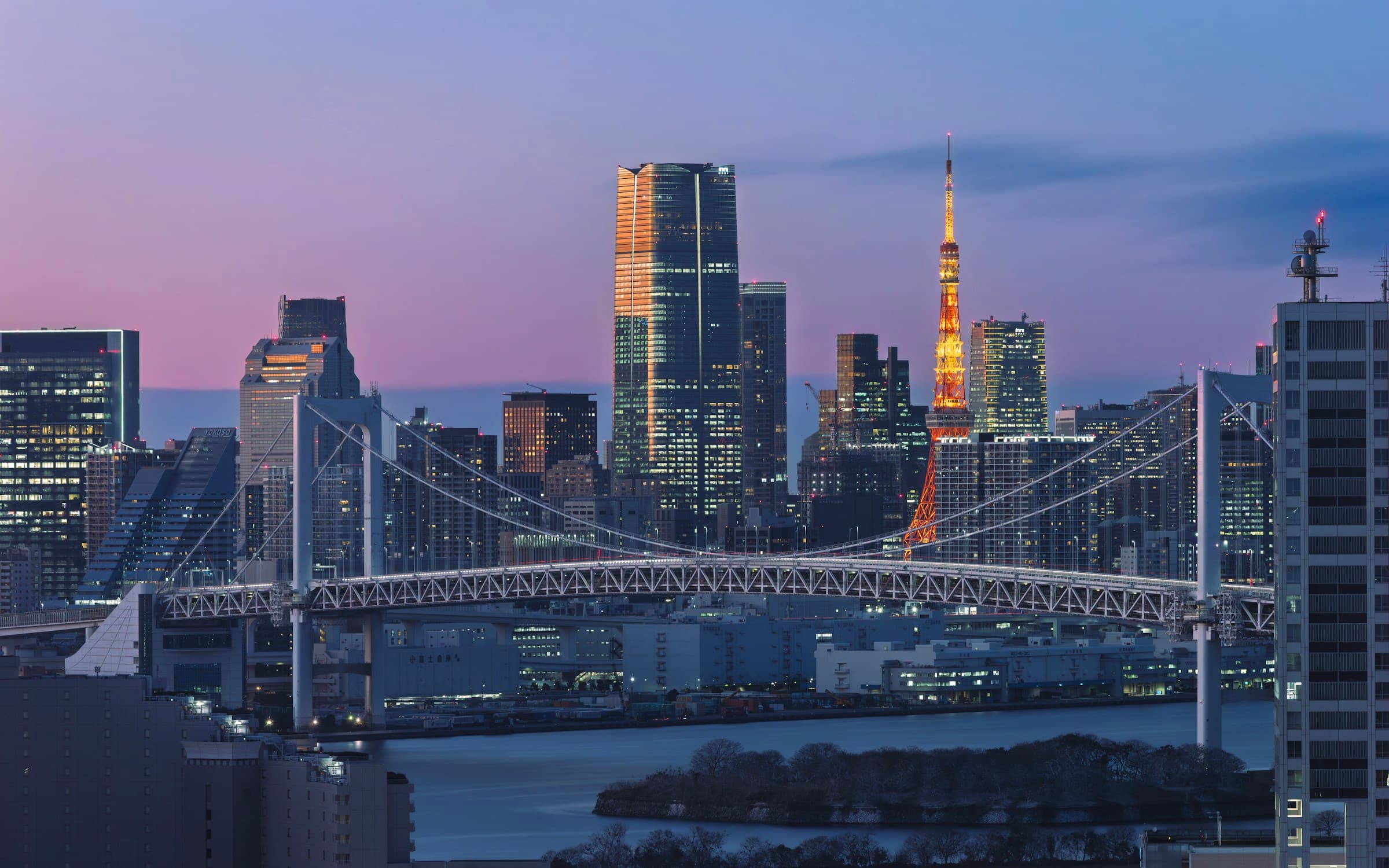
Tokyo is one of the world's great luxury capitals: Michelin-starred counters on quiet side streets, centuries-old craftsmanship beside contemporary design, hospitality as discipline rather than performance. For the traveler seeking refinement over spectacle, few destinations offer greater depth. Tokyo rewards patience. The restaurant without a sign, the gallery behind an unmarked gate, the neighborhood that reveals itself on the third visit. This is a city to inhabit, even briefly, with intention.
"Tokyo does not announce its luxuries. It assumes you will find them, or that you are worthy of being shown."
What follows is a curated itinerary: where to stay, eat, shop, and experience when spectacle would only distract from substance.
Stay
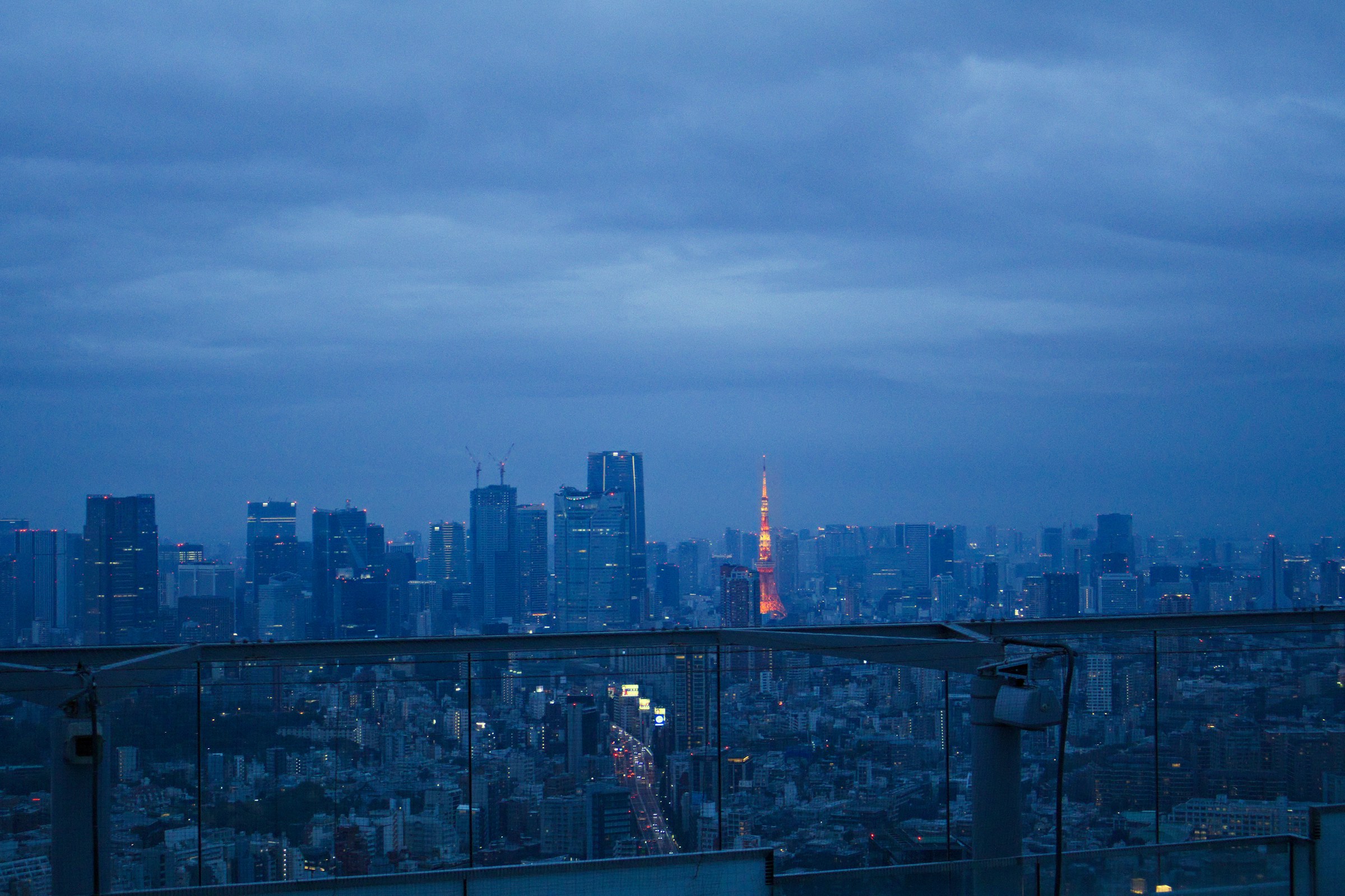
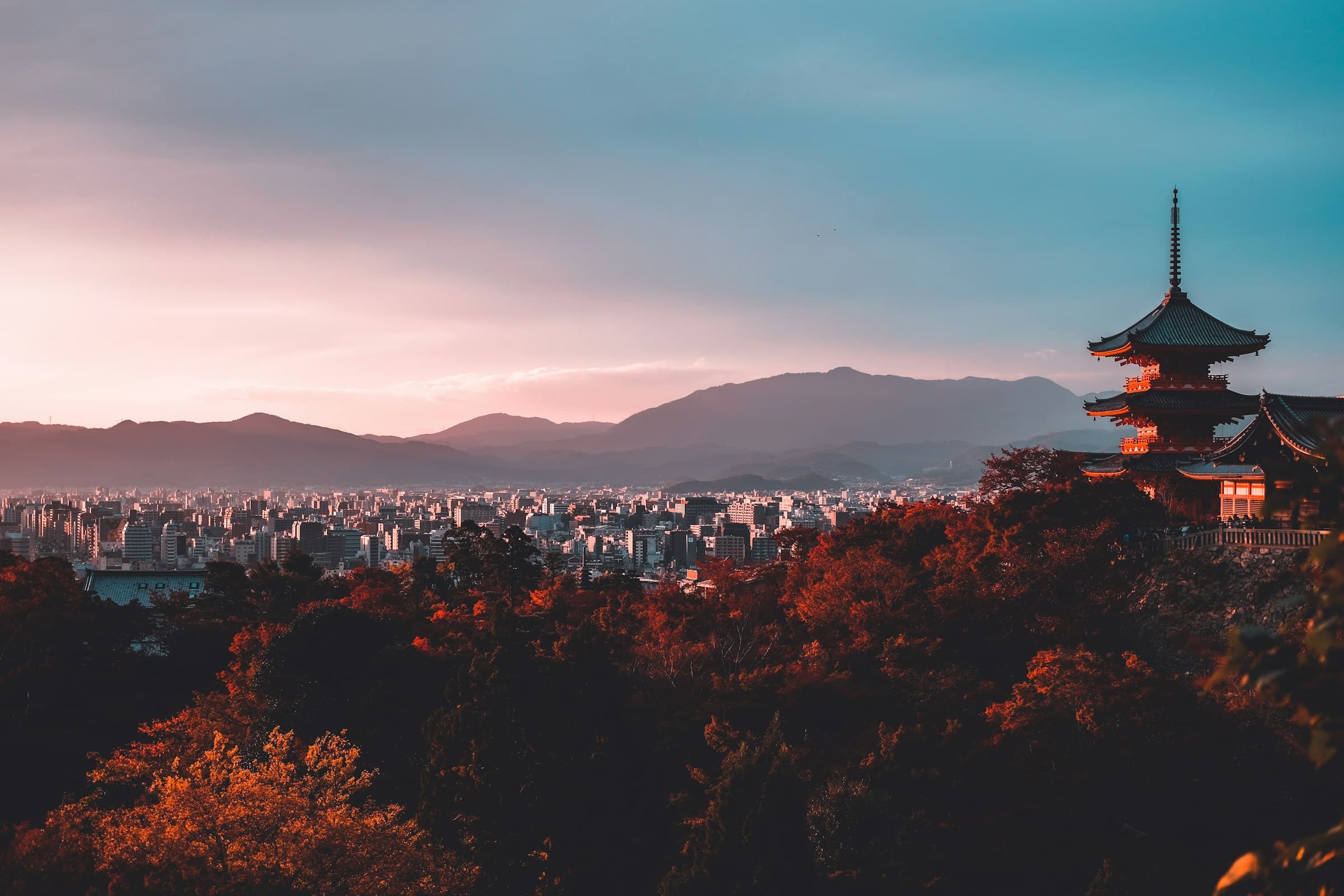
The city reveals itself slowly: first as silhouette, then as detail.
Tokyo's finest hotels understand a paradox at the heart of Japanese luxury: the more opulent the property, the more restrained its expression. Aman Tokyo sits at the top of the city's luxury tier: published rates from ¥405,200 per room with breakfast (April 2026), typically $1,800+/night at entry level before suites. The Peninsula and Four Seasons Otemachi are more accessible five-star bases, commonly $600–$1,300/night for standard rooms depending on season.
Aman Tokyo
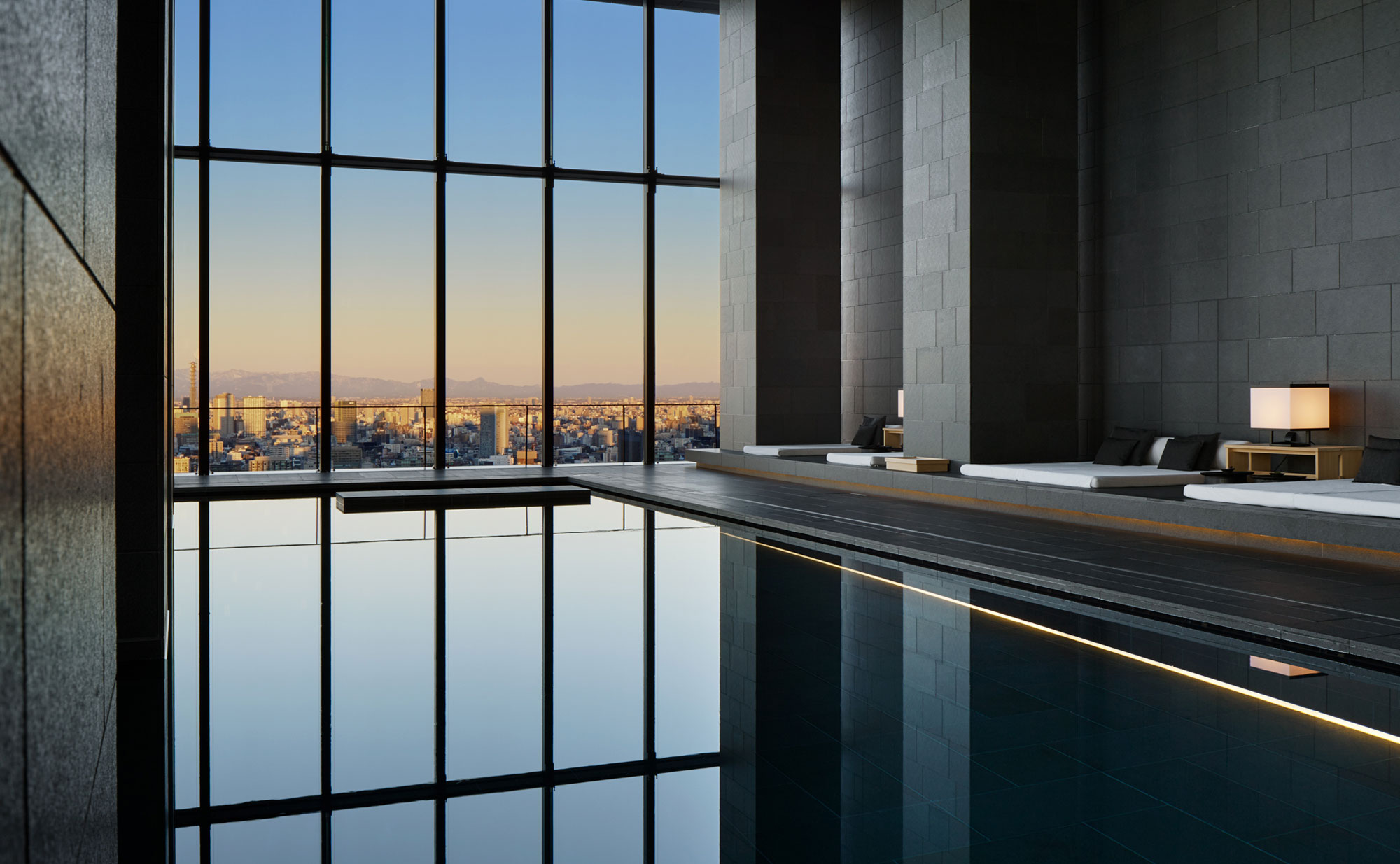
Aman Tokyo: a sanctuary of stone, wood, and light above Otemachi.
Occupying the top floors of the Otemachi Tower, Aman Tokyo is a contemporary ryokan suspended above the financial district. Kerry Hill drew on traditional Japanese residential design (washi screens, ikebana, baths hewn from single blocks of stone) and reinterpreted them at monumental yet intimate scale. Guest rooms are among the city's largest, many with ofuro tubs facing floor-to-ceiling windows. The spa across two floors is reason enough to stay in on a rainy afternoon. For travelers who value space, silence, and ritual.
The Peninsula Tokyo
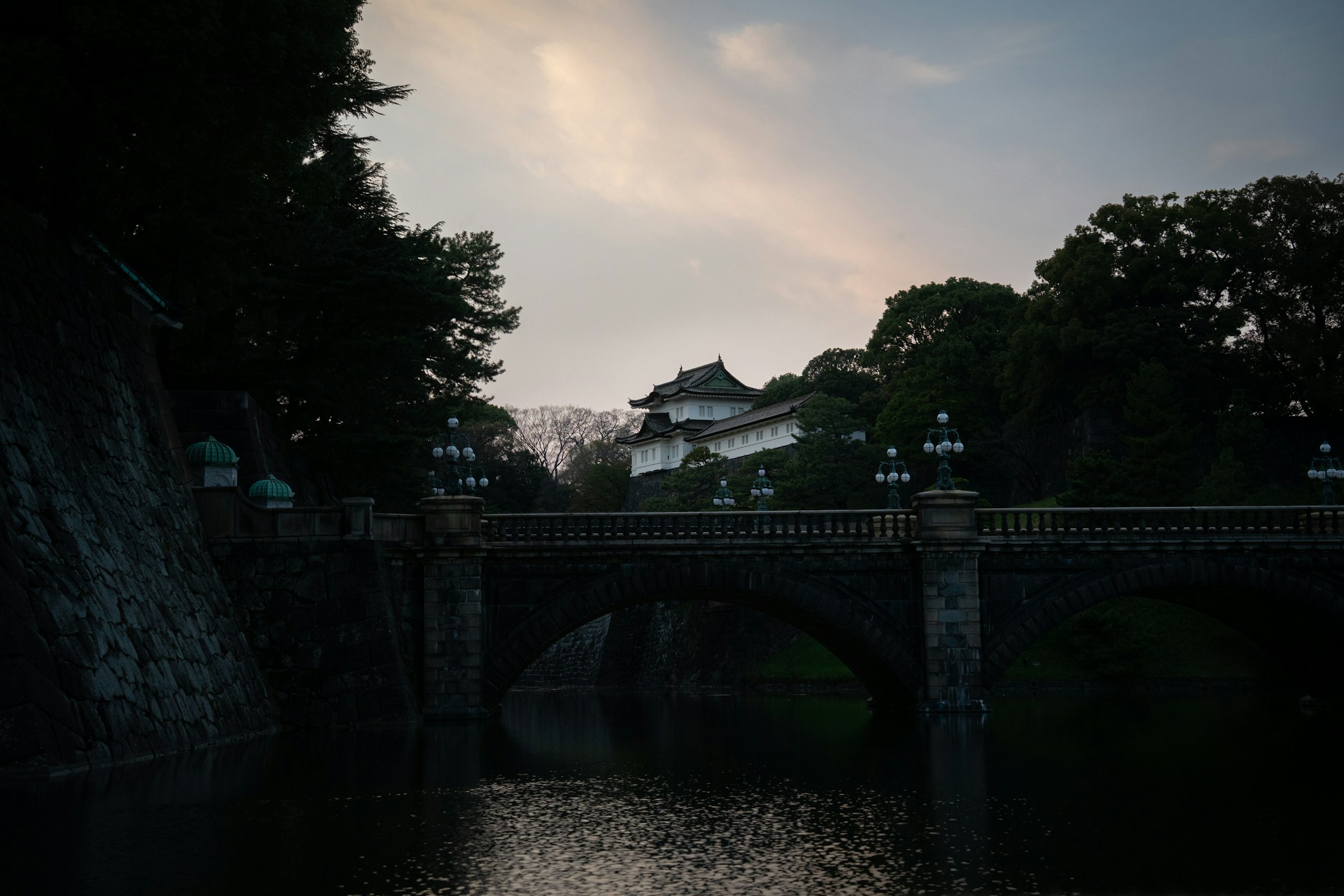
Marunouchi: The Peninsula Tokyo's front yard, in effect.
The Peninsula arrived in 2007 and raised the bar for grand hotels in this city. Its location opposite the Imperial Palace, steps from Ginza and Marunouchi, is among the most commanding in Tokyo. Rooms start at 54 square meters; the spa includes an indoor pool and outdoor terrace. Peter, the signature restaurant on the 24th floor, reopened in October 2025 as a modern French dining room under Senior Chef de Cuisine Yohan Da Costa. Afternoon tea in the lobby remains a ritual worth preserving.
Four Seasons Hotel Tokyo at Otemachi
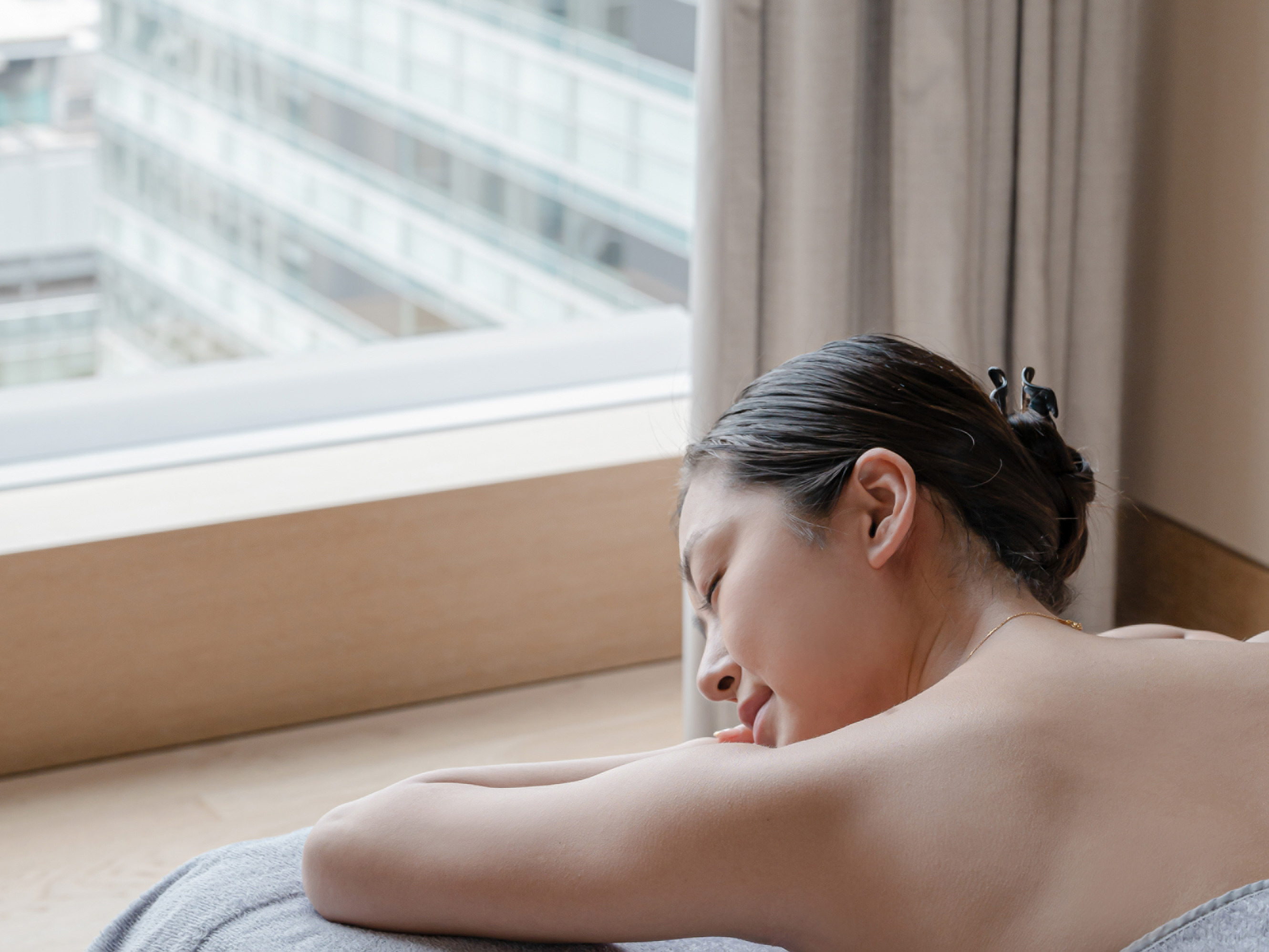
Four Seasons Otemachi: contemporary luxury with a view toward the Imperial Palace.
Opened in 2020, Four Seasons Otemachi is the newest of Tokyo's ultra-luxury hotels. Jean-Michel Gathy's design is lighter than its peers, with floor-to-ceiling windows flooding interiors with light and offering views toward the palace grounds and, on clear days, Mount Fuji. Dining includes Sézanne (more below) and bars that feel genuinely social. For travelers who want global polish with a distinctly Tokyo address, within walking distance of Nihombashi's heritage and Marunouchi's energy.
Eat
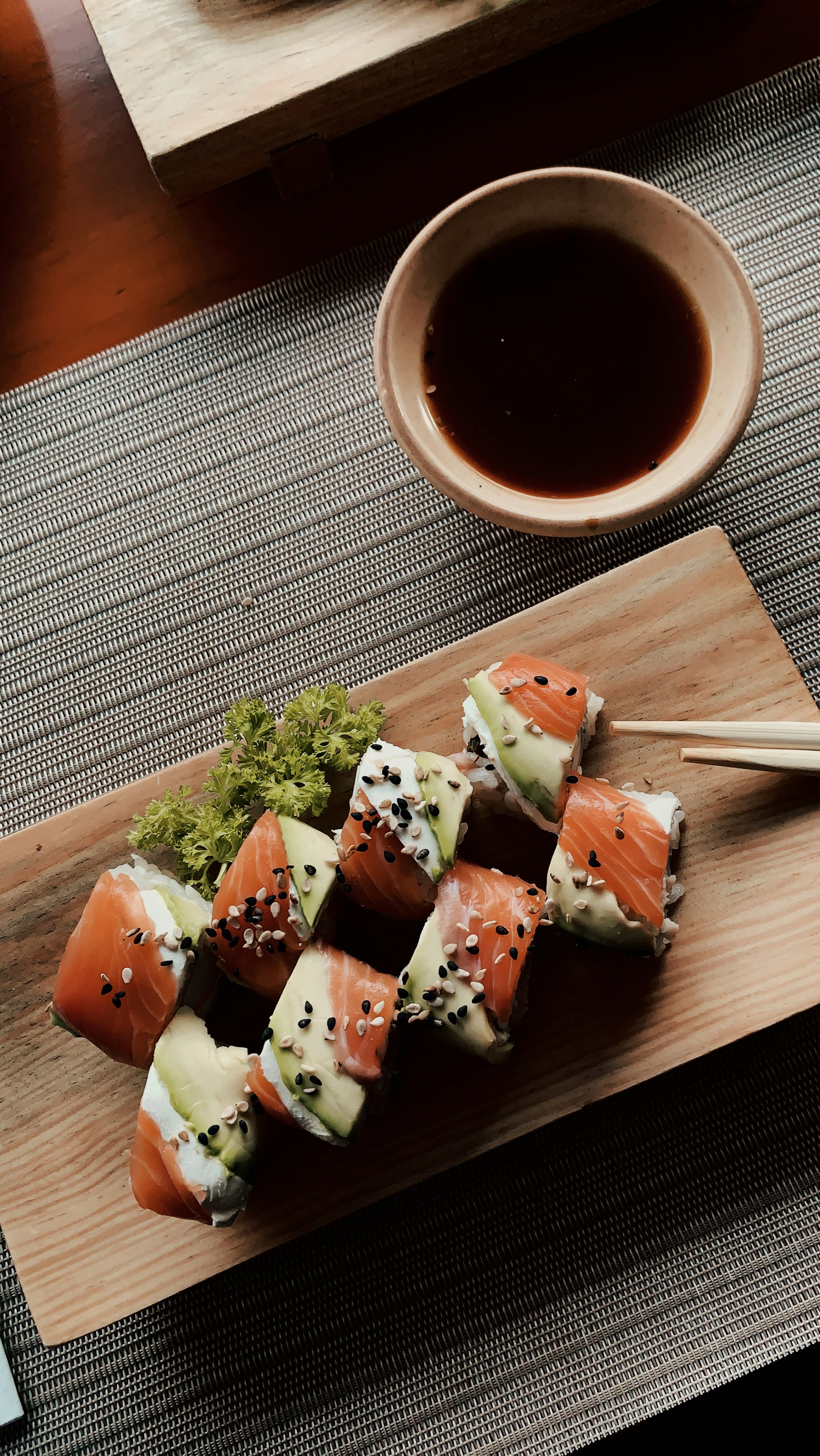
At the best counters, the conversation is between chef and fish. The guest is privileged to witness it.
The Michelin Guide Tokyo 2026 lists 160 starred restaurants in the city, more than any destination in the guide. Yet its greatest counters often have fewer than ten seats and no website. These four addresses represent different facets of that tradition, plus one in transition.
Sushi Saito
Takashi Saito's counter in Roppongi (Ark Hills South Tower) is, by many accounts, among the finest sushi experiences in the world. Formerly three-Michelin-starred, it was removed from the Michelin Guide in 2019 because it no longer accepts reservations from the general public. Eight seats and a daily omakase built around Toyosu market arrivals still define the address. Securing a reservation requires persistence and, often, an introduction or a hotel concierge with the right relationships. Photography is discouraged. Conversation is minimal. Dining as devotion.
Sézanne
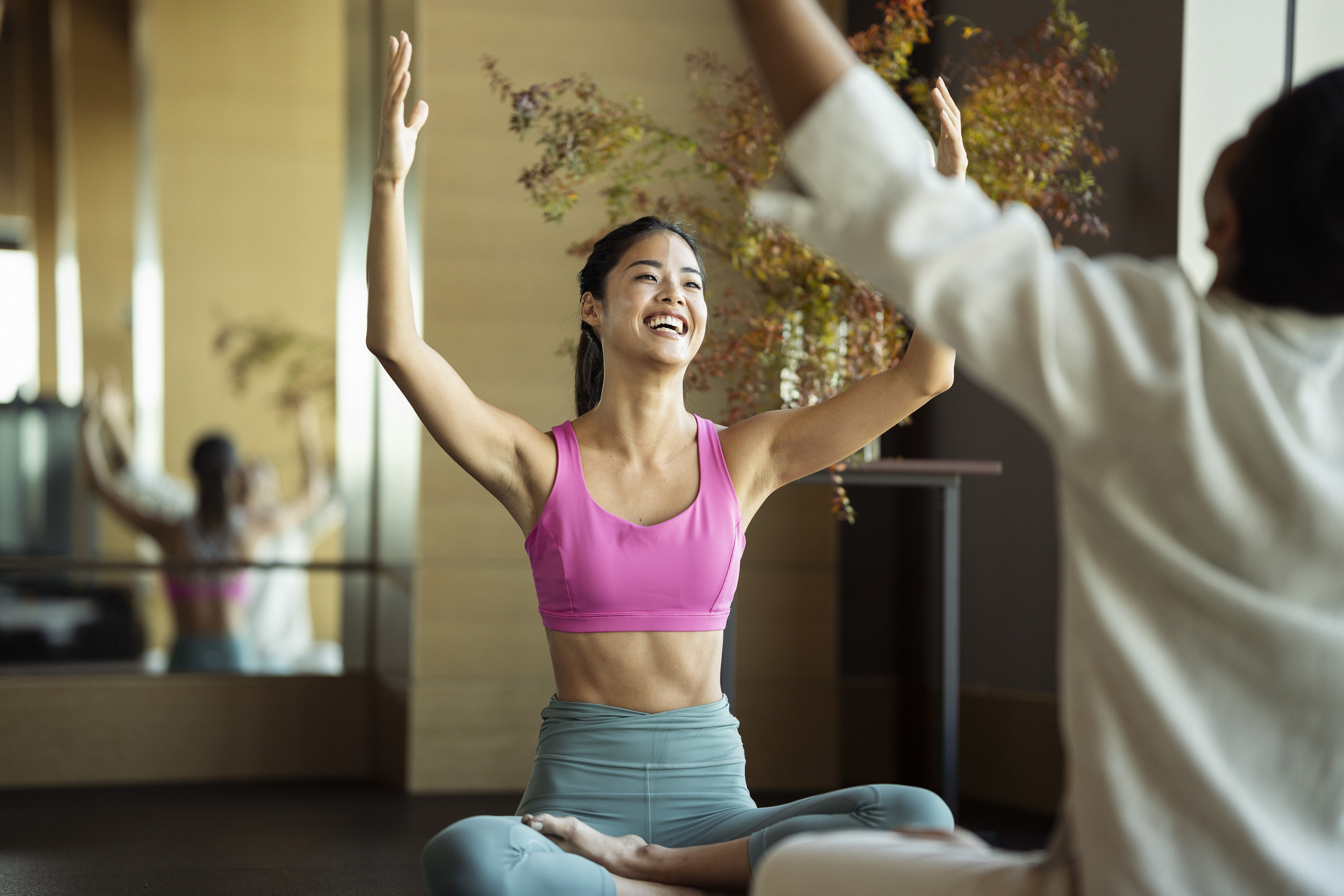
Precision, restraint, and surprise: the hallmarks of Tokyo's new generation of chefs.
Daniel Calvert's Sézanne, on the seventh floor of Four Seasons Otemachi, earned three Michelin stars under his leadership and a brief reign atop Asia's 50 Best. Calvert departed in spring 2026; Stephen Lancaster now leads the kitchen, and the restaurant's previous Michelin listing was withdrawn pending reinspection, per Michelin Japan. André Fu's dining room remains one of the city's most beautiful. Lancaster's menu reinterprets French classics through Japanese seasonality. Worth booking for the room and the ambition of this new chapter, but check the current guide before expecting three stars.
Den
In Jingumae, near Gaiemmae Station, Den holds two Michelin stars in the 2026 Tokyo guide and a Michelin Green Star for its sourcing philosophy. Chef Zaiyu Hasegawa's omakase is playful, inventive, and deeply rooted in Japanese culinary tradition. The famous "Den Garden" salad, assembled at the table with tweezers, has become iconic. For travelers who want world-class food without the solemnity that often accompanies it.
Tempura Kondo
At Kondo, in Ginza, tempura is revelation. Each piece is fried to order, served the instant it leaves the oil. The counter seats ten. Chef Fumio Kondo, who opened Tempura Kondo in Ginza in 1991, remains at the helm; the restaurant holds two Michelin stars in the 2026 Tokyo guide. The sweet potato tempura alone is worth the journey. Dress modestly, arrive punctually.
Shop
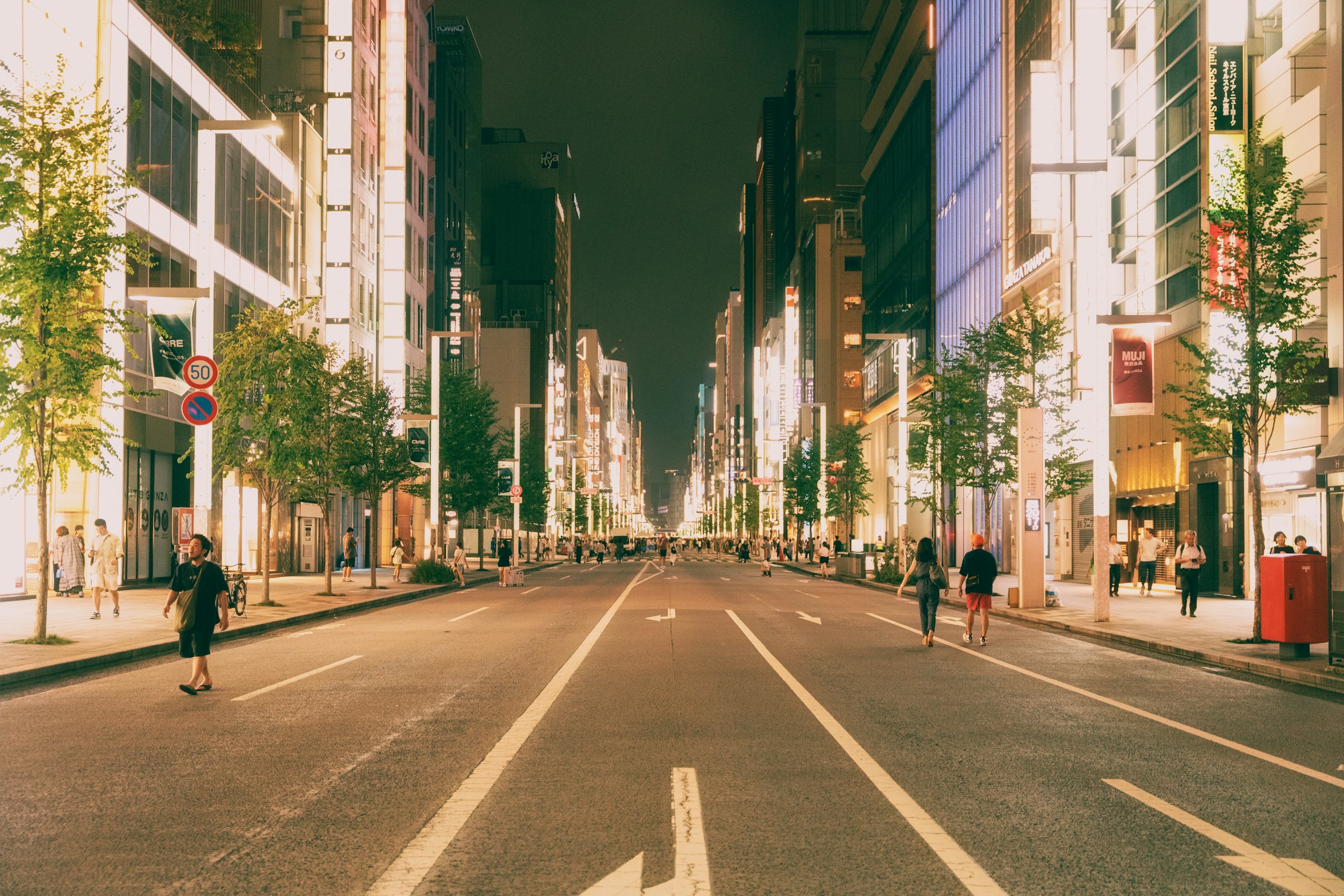
Ginza after dark: where global luxury brands meet a distinctly Tokyo sense of occasion.
Tokyo luxury is about encounter: with makers, materials, and presentation that transforms even a simple purchase into ceremony. A serious knife at a Nihombashi specialist may start around ¥30,000; bespoke tailoring and fine jewelry scale up quickly.
Ginza
Chuo-dori and its side streets constitute Tokyo's most famous luxury precinct: Hermès, Chanel, Dior alongside Wako and Mitsukoshi. The real pleasures lie in the depachika food halls in Mitsukoshi and Matsuya basements. Visit on a weekend afternoon when the pedestrian paradise closes the main street to traffic. Stop at Higashiya Ginza for tea and seasonal sweets.
Nihombashi
Older and more understated than Ginza, Nihombashi is where Tokyo's merchant class built its fortunes. Coredo Muromachi houses fine artisan shops; the original Mitsukoshi flagship has stood on the same site since 1673. Allow an afternoon to wander: a lacquerware atelier, a knife shop where blades are still forged by hand, a sake merchant who will guide you through regional expressions.
Omotesando and Aoyama
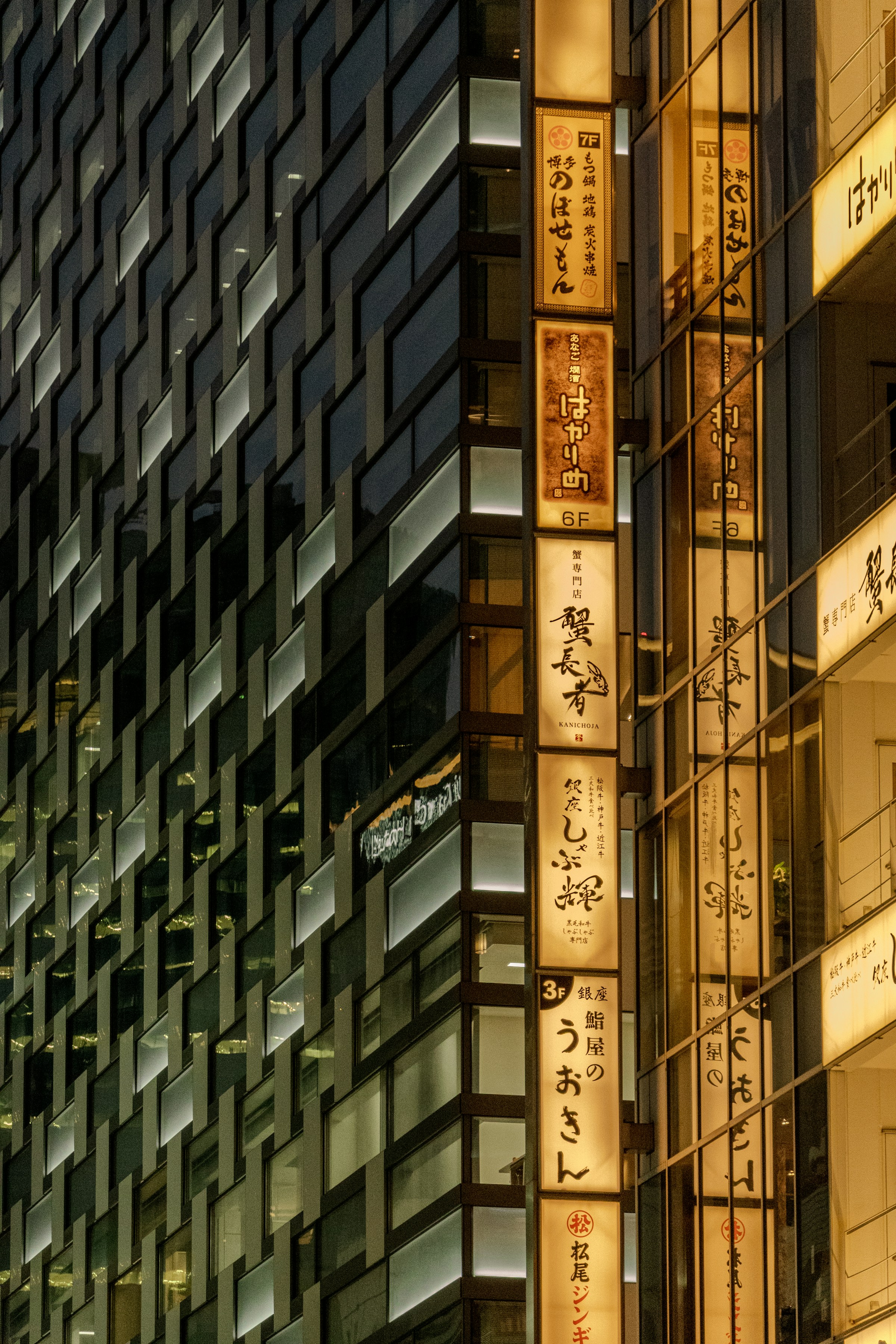
Omotesando: where contemporary architecture lines a tree-shaded boulevard.
Omotesando is Tokyo's declaration of contemporary taste: flagship stores by Tadao Ando, Herzog & de Meuron, and SANAA competing through form rather than signage. Harajuku's side streets and Cat Street offer independent designers and concept stores. Adjacent Aoyama is more cosmopolitan: understated Japanese brands (Tomorrowland, Studious), galleries, and coffee at Fuglen or Streamer Coffee Company. The Nezu Museum anchors the neighborhood's cultural credentials.
Experience
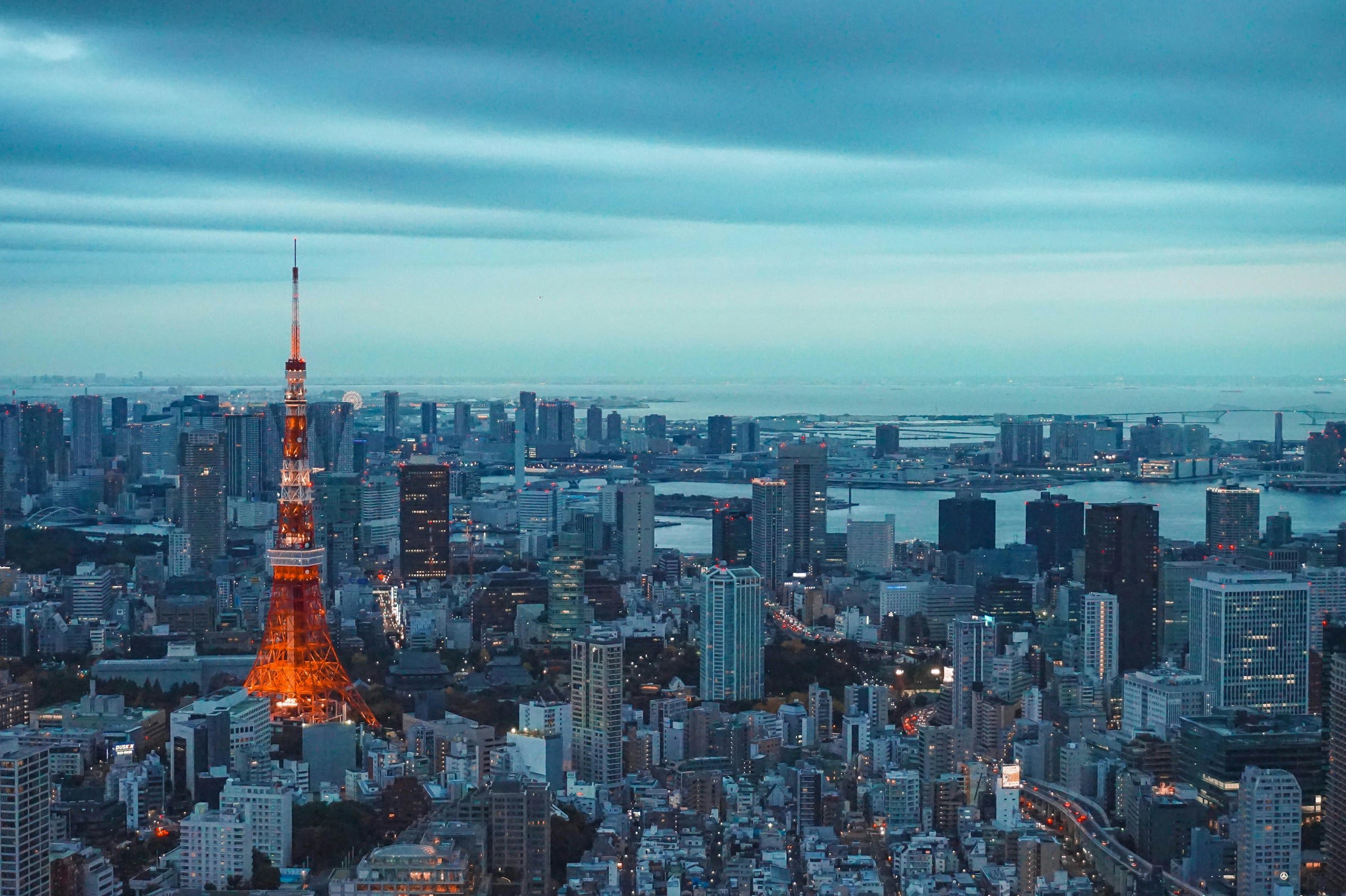
In Tokyo, culture lives in gardens, temples, and the spaces between.
TeamLab Borderless
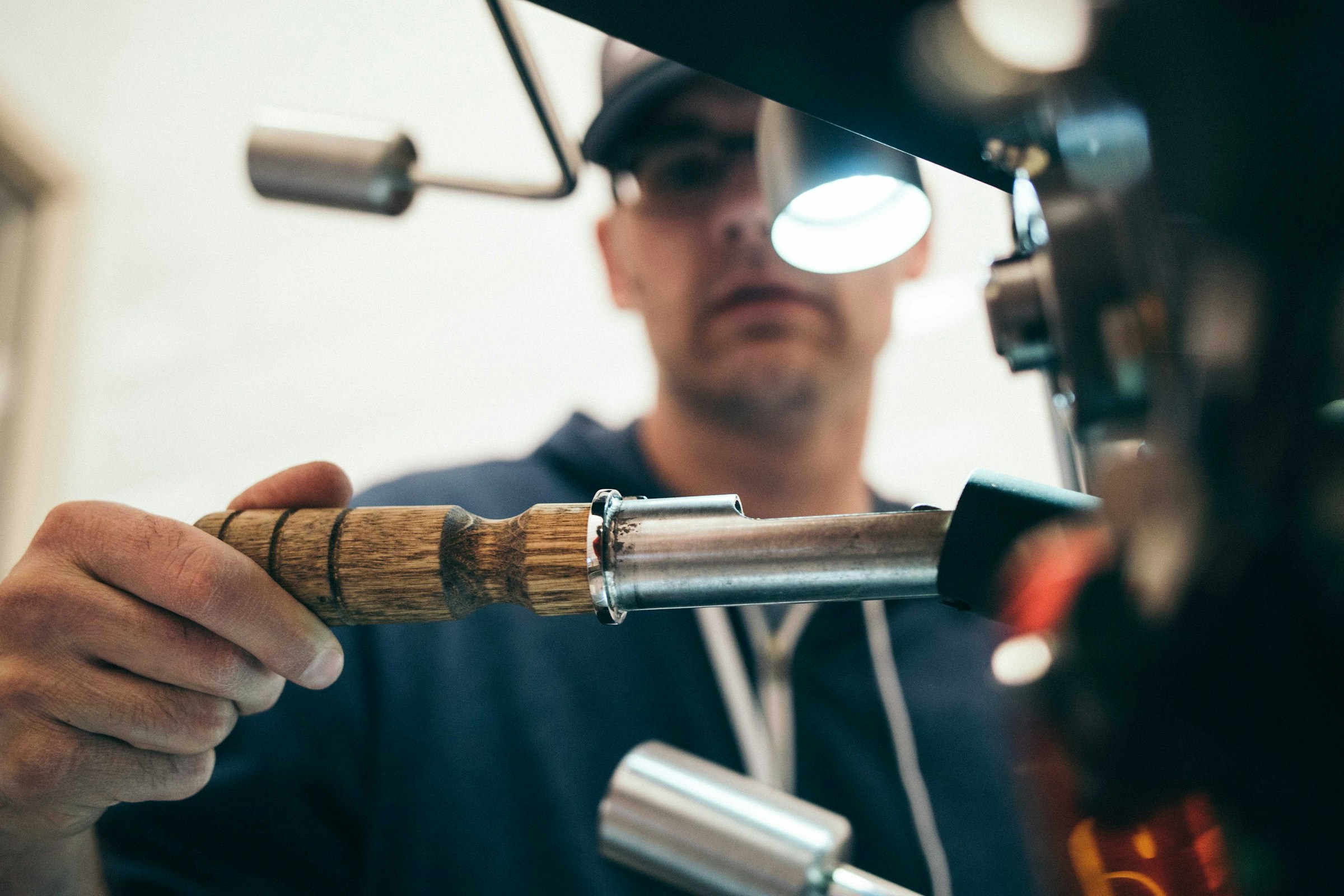
Light, movement, and participation: TeamLab's vision of art without boundaries.
TeamLab Borderless, permanent at Azabudai Hills since February 2024, uses technology as medium rather than gimmick. Rooms of light, water, and projection respond to your presence. Tickets sell in advance and often sell out on weekends. Visit weekday mornings when the experience becomes contemplative. Very much Tokyo culture, and worth an afternoon.
Hamarikyu Gardens
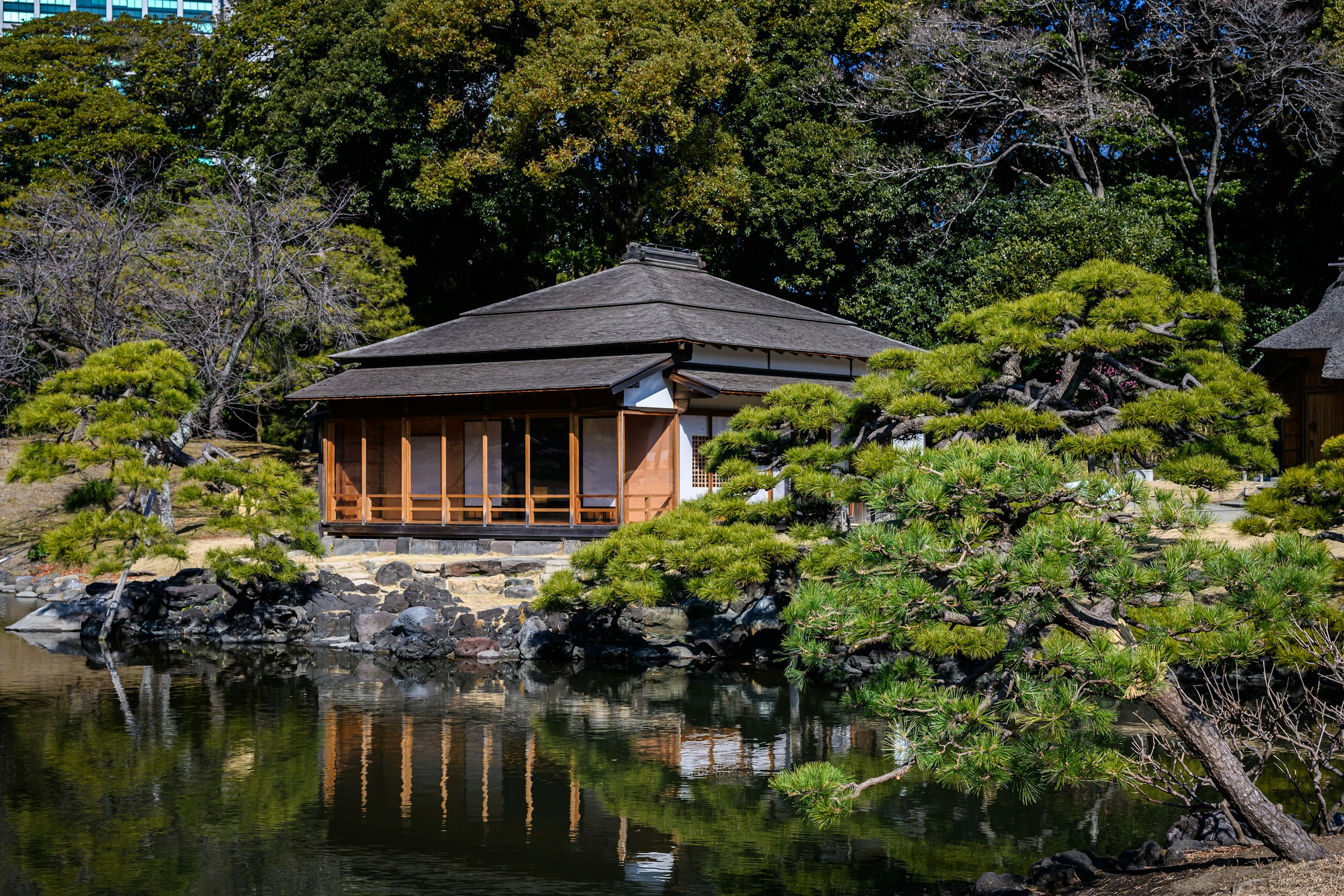
Where shoguns once hunted, travelers now find one of Tokyo's most poetic contrasts of old and new.
Once Tokugawa shogun hunting grounds, Hamarikyu is a tidal garden at the Sumida River mouth: ancient pine trees framed by Shiodome's glass towers. Come in cherry blossom season or autumn. Allow at least two hours.
Nezu Museum
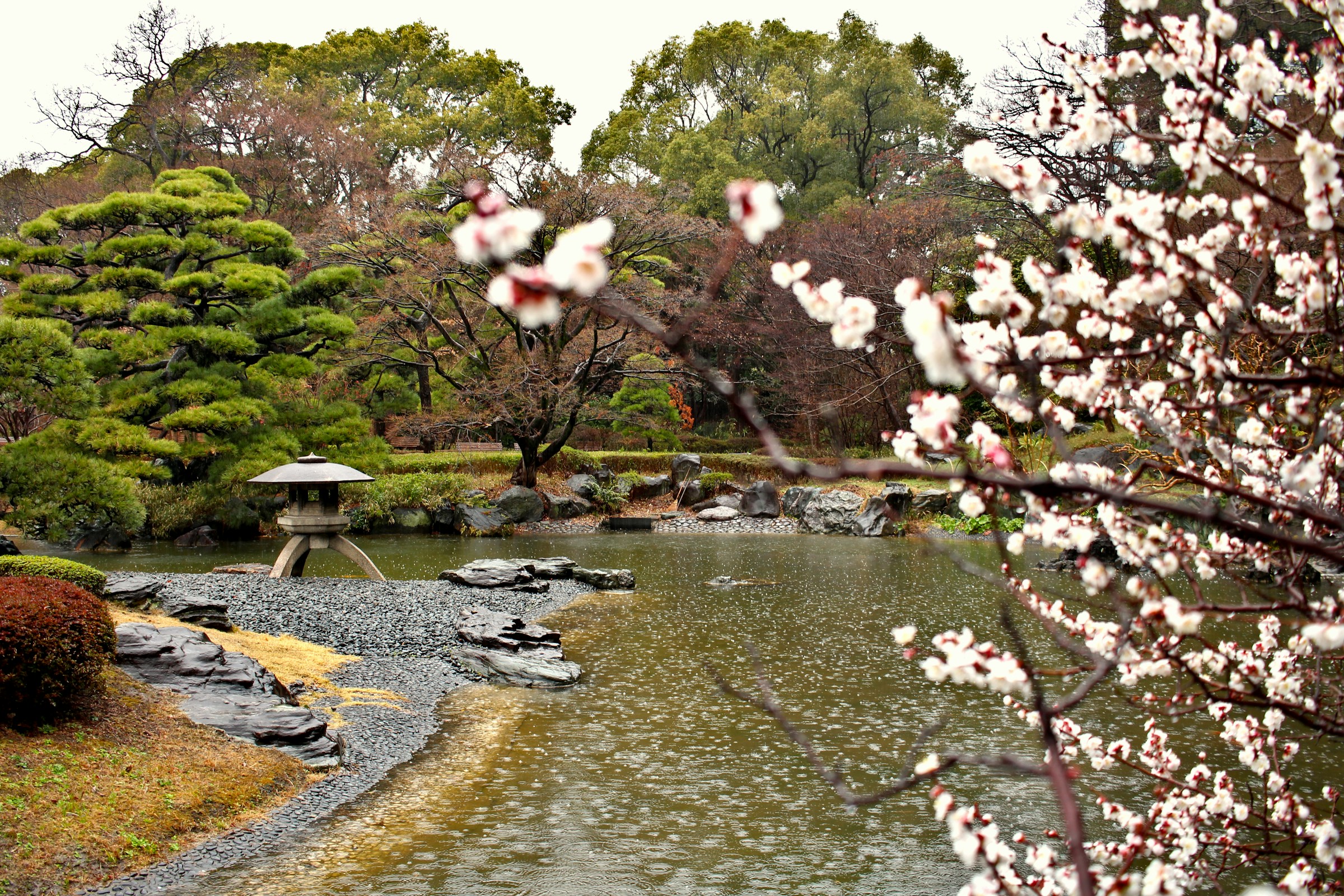
The Kengo Kuma-designed museum opens onto one of Tokyo's most atmospheric private gardens.
In Aoyama, the Nezu Museum houses one of Japan's finest private collections of pre-modern Asian art. Kengo Kuma rebuilt the museum in 2009; the garden predates that renovation. Visit the cafe overlooking the garden. One of the most peaceful hours in Tokyo.
Imperial Palace East Gardens
Free and open to the public on the site of Edo Castle's innermost citadel. Stone foundations of the castle tower remain alongside gardens that change with each season. Walk the perimeter early morning when joggers circle the moat. The gardens offer direct contact with history, without admission fee or queue.
Practical Notes
Reservations: Book four to eight weeks ahead for serious counters; a hotel concierge is essential for the most exclusive addresses.
Best base: Otemachi/Marunouchi for first-timers, Aoyama for design and shopping, Ginza for dining and retail.
Best season: Autumn or late spring.
Avoid: Trying to "do Tokyo" in two days.
What It Costs
Approximate bands based on published 2025–2026 rates; exchange rates and seasons vary.
Luxury hotels: $600–$1,300/night (Peninsula, Four Seasons Otemachi standard rooms); $1,800+/night (Aman Tokyo entry, with breakfast from ¥405,200)
Starred dinner counters: ¥22,000–¥40,000/person before wine at the restaurants listed here (Tempura Kondo dinner from ¥22,000; Den ¥30,000–40,000 plus 10% service), roughly $150–$300 at typical exchange rates; top omakase runs higher
Private full-day tours: from ~$450/group (car with driver-guide) to ~$580–$970/group (licensed guide with vehicle), not per person
Taxis: inexpensive by global luxury-city standards; many travelers combine transit with walking
Best value splurge: Tempura Kondo lunch from ¥13,200, teamLab Borderless from ¥3,800 (adult), or Peninsula afternoon tea
The Banquet Cost Index
Hotels: $$$$ (Aman); $$$ (Peninsula, Four Seasons Otemachi)
Dining: $$$ (Den, Tempura Kondo dinner); $$$$ (top omakase, wine pairings)
Shopping: $$$–$$$$
Private experiences: $$$ (full-day private tour for two)
Best splurge: Omakase, Tempura Kondo lunch, a Nihombashi knife, hotel spa afternoon
Typical luxury weekend: $5,000–$12,000 before flights (two nights at Peninsula or Otemachi, two starred dinners, shopping); higher if anchored on Aman
The Banquet Picks
Best Hotel: Aman Tokyo. Space, silence, and impeccable taste.
Best Restaurant: Den. Two Michelin stars, a Green Star, and fine dining that actually feels fun.
Best Neighborhood: Aoyama. Cosmopolitan without being loud, curated without being precious.
Best Cultural Experience: Nezu Museum. Art, architecture, and garden design in a single afternoon.
Final Thoughts
Tokyo resists summary. What makes it compelling for the luxury traveler is not any single address but the underlying ethos: excellence expected, craft honored, curiosity and respect rewarded with encounters unavailable elsewhere.
The city asks attention, patience, and a willingness to be surprised by a meal in a basement with no name, a garden behind an unremarkable wall, service so seamless you only notice it in retrospect. Tokyo does not perform luxury. It practices it.