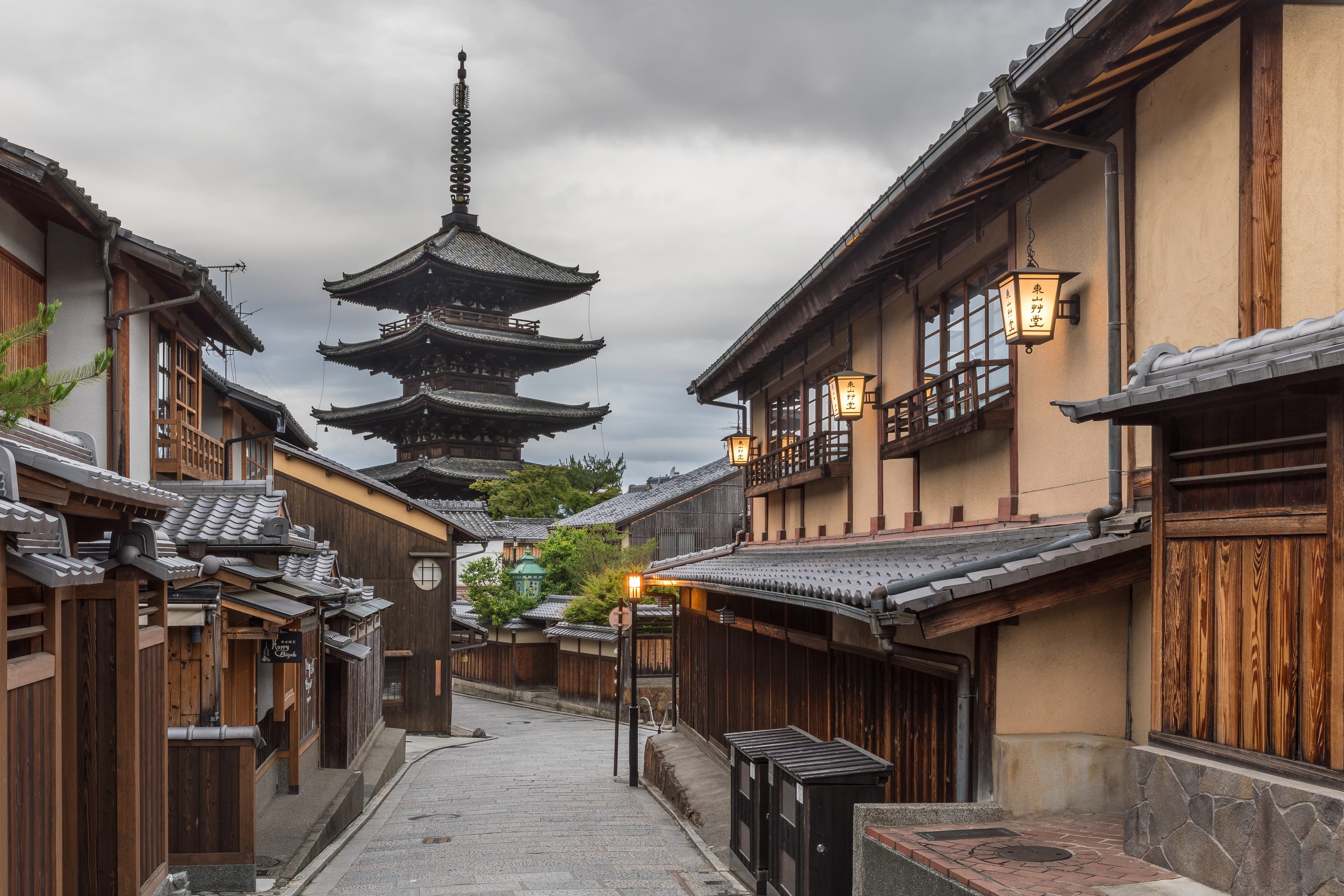
The best residential architects I interview do not start with the living room.
They start with the sequence from street to silence: where shoes change, where light arrives, where the house stops performing for the city. Hotels learned this first because they charge for the feeling of being anticipated. Park Hyatt Kyoto, which opened on 30 October 2019 in Higashiyama beside Kodai-ji, is among the clearest recent examples of arrival design that residential clients now cite by name when briefing their own architects. I have sat through enough vague "Aman vibes" meetings to know that name-dropping only helps when the reference is specific. This one is.
This is not a hotel review. It is a residence essay about what Tony Chi and Takenaka Corporation built on a hillside where a Kyoyamato restaurant garden had already taught Kyoto how to slow down for more than a century.
"Arrival is not a lobby. It is the first room, whether you sleep there or not."
Why a Seventy-Room Hotel Matters to Home Design
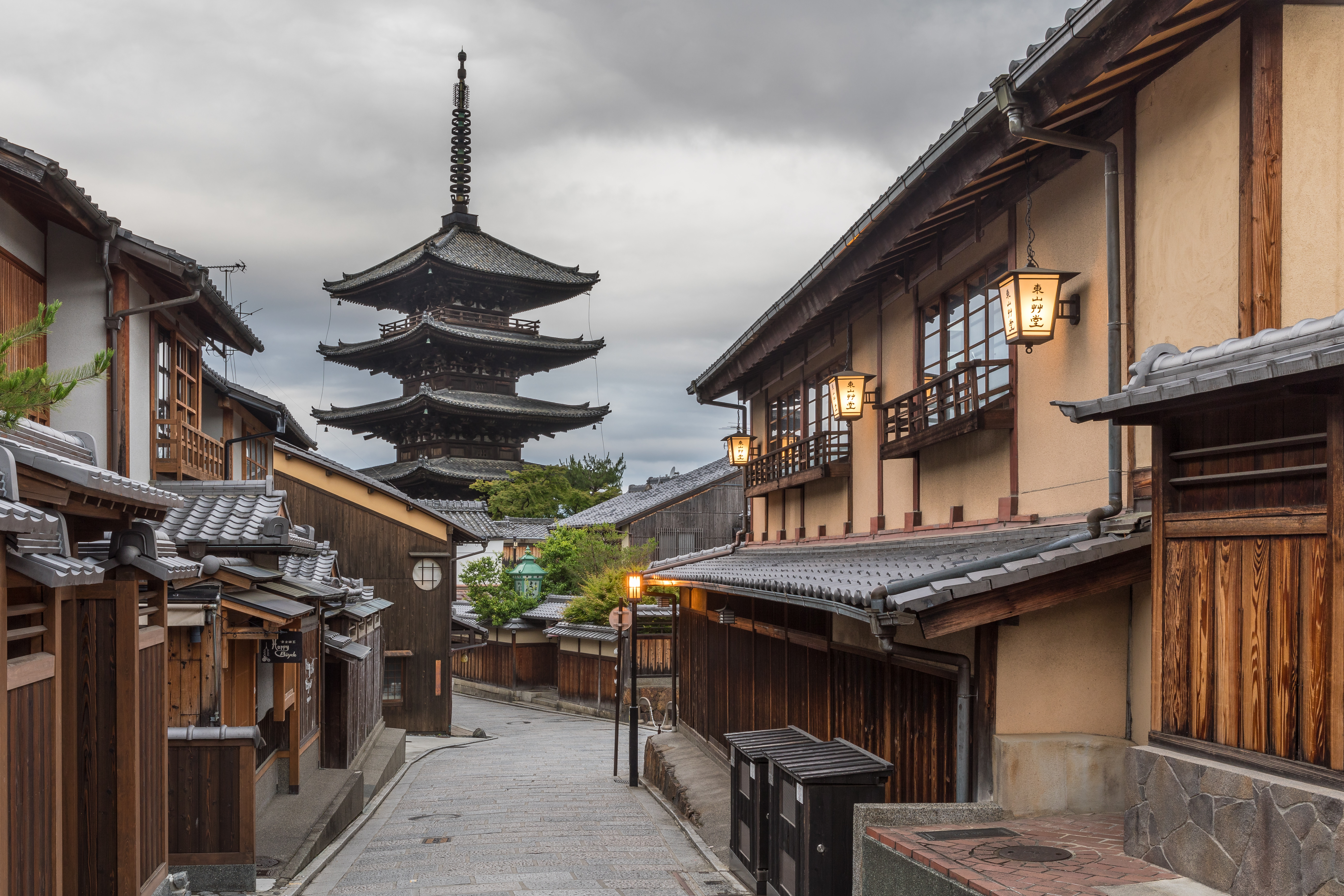
Most luxury hotels scale up until the neighborhood disappears. Park Hyatt Kyoto did the opposite, and frankly it is refreshing. Takenaka, which developed the project with Hyatt, limited the property to 70 rooms so the building would remain subordinate to Higashiyama's historic roofscape and the restored gardens on site. Chi describes the result as a modern mountain house: low ceiling at entry, compressed passage, then release into light, garden, and views toward Yasaka Pagoda. Upper-floor suites and Yasaka restaurant frame that same pagoda. The view is not a marketing afterthought. It is part of the plan.
That decision matters for residence work because it proves restraint can be commercial. Clients who say they want an Aman-like entry or a Park Hyatt calm are not asking for marble volume. They are asking for sequence: compression before release, material honesty, and a view withheld until you have earned it by walking. If your architect leads with a double-height foyer and a chandelier, send them this article.
Read Architecture and the Art of Arrival for the residential grammar. Park Hyatt Kyoto is the hospitality proof case.
The Entry Sequence Chi Built
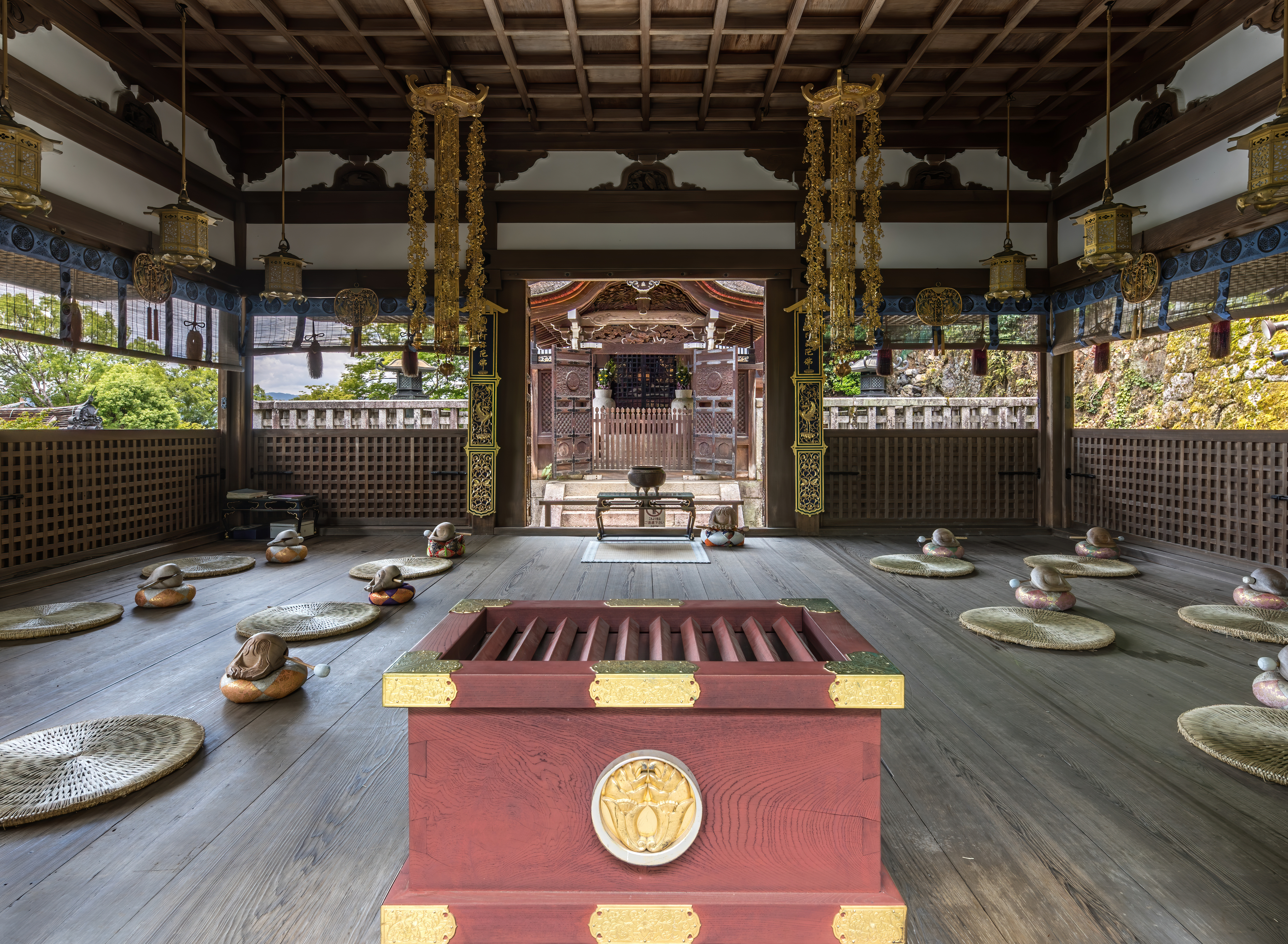
Chi and Tonychi Studio used a tile-roofed arrival procession before the guest reaches the main interior. Tamo wood, fragrant and local, appears alongside contemporary furniture from makers such as Carl Hansen & Søn and Giorgetti. Glass walls pull the garden inward without turning the room into a showroom. The effect is quiet enough that you notice your own footsteps, which is exactly the point and rarer than it should be at this price tier.
Several historic structures on the site, including an Edo-era teahouse, were preserved rather than demolished. That choice reads as heritage marketing in lesser hands. Here it functions as spatial education: you enter through layers of time, not through a single dramatic atrium. I am skeptical of "restored teahouse" copy on hotel websites in general. At Park Hyatt Kyoto the teahouse is actually in the path.
For diaspora homeowners in Vancouver, Singapore, or Tokyo, the transferable lesson is scale. A ten-meter planted approach, a low ceiling in the genkan or vestibule, and a pivot into a brighter salon changes how guests feel before anyone offers tea. You do not need seventy keys to apply the logic. You need discipline, which is harder to buy than marble.
Higashiyama height restrictions and neighborhood sensitivity shaped every massing decision. The hotel reads as several linked pavilions rather than a single tower block, a form residential architects on constrained urban lots now study for precedent. The New Asian Minimalism covers the material palette many of those architects share with Chi: wood grain left visible, stone used sparingly, metal details kept quiet.
Rooms That Teach the Bathroom
Guest rooms at Park Hyatt Kyoto continue the arrival logic upstairs. Bathing areas are scaled for ritual: deep tubs, generous stone or tile surfaces, and separation between wet and dry zones that residential clients photograph for their own architects. Suites with private gardens extend the courtyard idea vertically, so the guest never fully leaves the garden logic that began at street level.
That matters because the bathroom is where hospitality and residence converge most obviously. A couple renovating a Shaughnessy or Bukit Timah home rarely mentions the foyer in detail. They mention the onsen-inspired bath, the view from the tub, the lighting at dusk. Park Hyatt Kyoto codified those requests before they became Pinterest cliché, and I mean that as a compliment. The hotel got there first.
When briefing your own project, ask whether each room earns its square footage through sensation, not square-meter count. Chi's rooms do. Most residential plans do not, and clients feel the difference even when they cannot name it.
Garden as Room, Not Amenity
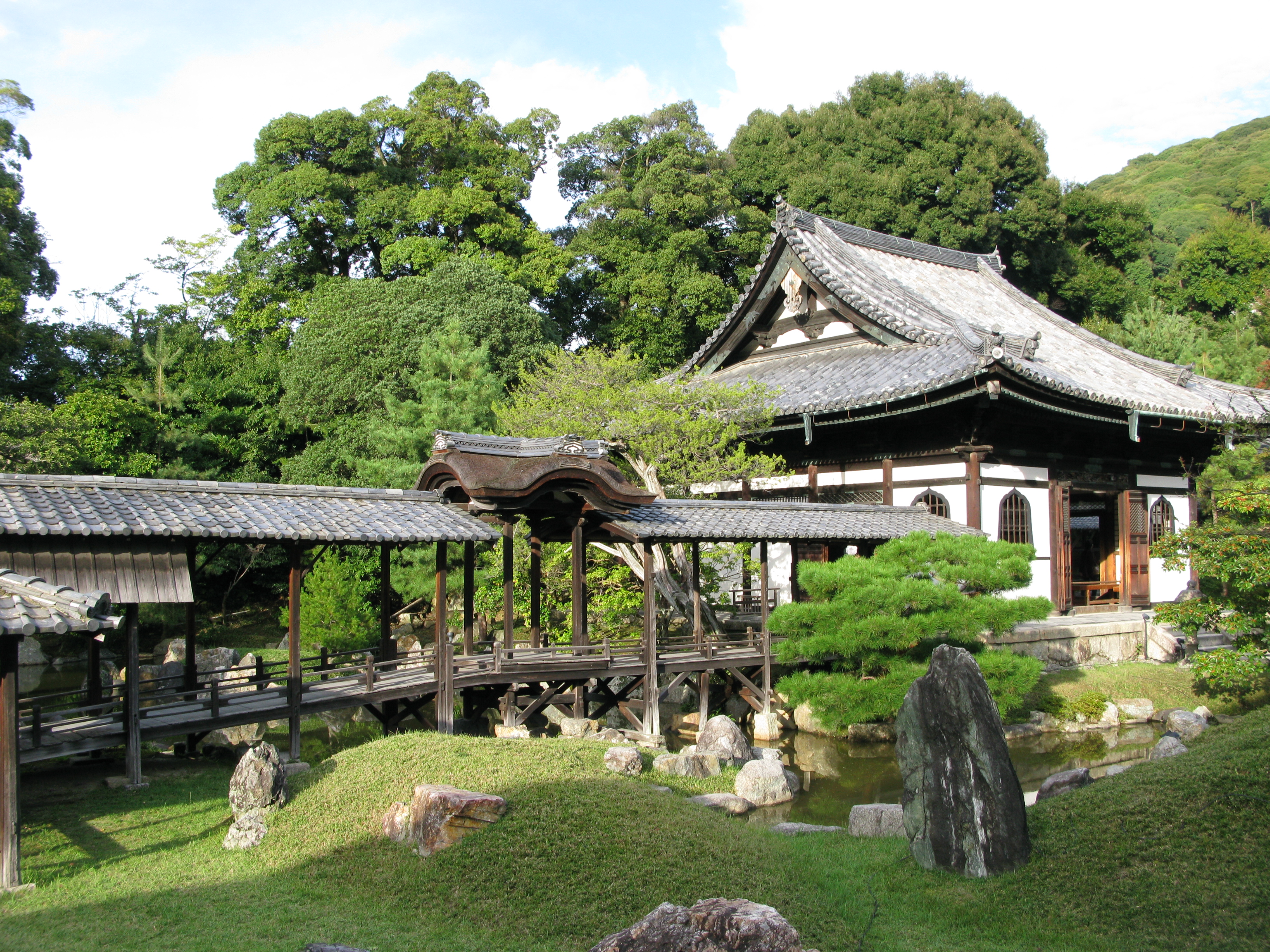
The central garden is not decorative filler between lobby and elevator. It is the hinge between public arrival and private rest. Some suites include their own enclosed gardens, a layer of stillness removed from Higashiyama's tourist density. Walk Kodai-ji at dawn and you will understand why Takenaka capped the building height. The district teaches slowness whether you have a room key or not.
Residential projects increasingly borrow this move from hospitality: the courtyard visible from the entry, the interior plan organized around a single green view, the refusal to treat garden as leftover land behind the house. Interiors Inspired by Garden Traditions traces the same instinct in home design. Park Hyatt Kyoto shows how a hotel can teach it at operational scale.
Walk the property at check-in if you are staying. Walk the Kodai-ji path at dawn if you are studying the district. The hotel and the temple district share a lesson: slowness is structural, not sentimental.
Kyoyamato and the Site's Memory
The hotel stands on grounds long occupied by Sanso Kyoyamato, a kaiseki institution run by the same family since 1877. Historic buildings were relocated and restored using traditional hikiya techniques rather than erased for new construction. Kyoyamato continues as a separate dining operation on the site; the hotel's Kyoto Bistro can serve Japanese set meals connected to that kitchen.
Yasaka, the hotel's signature restaurant, occupies upper floors with views toward the pagoda and open-kitchen service. Confirm current menus, hours, and any Michelin listings directly before booking. The point for residence readers is ownership structure: a hospitality project that shares its site with a living institution rather than simulating one. Too many new hotels invent a "heritage narrative" from scratch. This one inherited one.
That coexistence is harder in private homes but not impossible. Guest houses, studio wings, and family offices on large sites sometimes borrow the same respect for what was already there.
If you lunch at Kyoyamato and sleep upstairs at the Park Hyatt, you experience two hospitality languages on one hillside: inherited kaiseki form and contemporary international service. Residence readers should notice how little either institution shouts. Both assume the guest already understands that quiet is luxury. That assumption is the whole brief.
Studying the Building Without Staying
You do not need a room key to learn from the property. Yasaka and Kyoto Bistro accept reservations for non-guests subject to availability; confirm directly. A lunch reservation buys you the upper-floor pagoda view and Chi's interior sequencing without the nightly rate. I would start there if you are researching for a residential project and the room tariff makes you wince.
Morning walks through Kodai-ji and Ninen-zaka show why the hotel capped height: the district's power is horizontal, roofline to roofline, not vertical spectacle. Compare that walk with Designing a Contemporary Courtyard House, which argues the same horizontal logic for private sites in warm climates. Kyoto and Singapore share the instinct even when materials differ.
What Clients Actually Request After Staying
In practice, homeowners return from Park Hyatt Kyoto asking for four things:
Lower ceiling at entry, then height in the main salon.
Stone or wood underfoot that signals transition, not generic lobby tile.
A single garden view held back until after the turn into the living wing.
Bathroom scale that treats bathing as ritual, not utility.
Why Hospitality Design Is Influencing Luxury Homes documents how those requests now appear in residential briefs across diaspora markets. Park Hyatt Kyoto is one reason the vocabulary became specific rather than vague. "Calm" is not a brief. Tamo wood, a withheld pagoda view, and a genkan that compresses before the salon opens: that is a brief.
Practical Notes for Travelers Studying the Building
Address: Park Hyatt Kyoto, Higashiyama, near Kodai-ji, Kyoto.
Opened: 30 October 2019.
Design: Tony Chi and Associates with Takenaka Corporation.
Rooms: 70 guest rooms and suites; confirm category and pagoda view language when booking.
Neighborhood: Walking distance to Kiyomizu-dera, Kennin-ji, and Gion; pair with You Need a Week in Kyoto and Lunch at Kikunoi Honten.
The Verdict
Park Hyatt Kyoto succeeds because it treats arrival as architecture rather than branding.
Seventy rooms, a preserved teahouse, Chi's compressed-then-open sequence, and a garden that participates in the plan: these are instructions a residential client can steal without copying the hotel verbatim. For The Banquet's Residence desk, that makes the property more useful than many purpose-built design museums. I would rather send a client here than to most showrooms.
Stay if you can. Study even if you only lunch. Confirm rates and restaurant status before travel.
Read Why Hospitality Design Is Influencing Luxury Homes, The Asian Grand Tour, and You Need a Week in Kyoto.