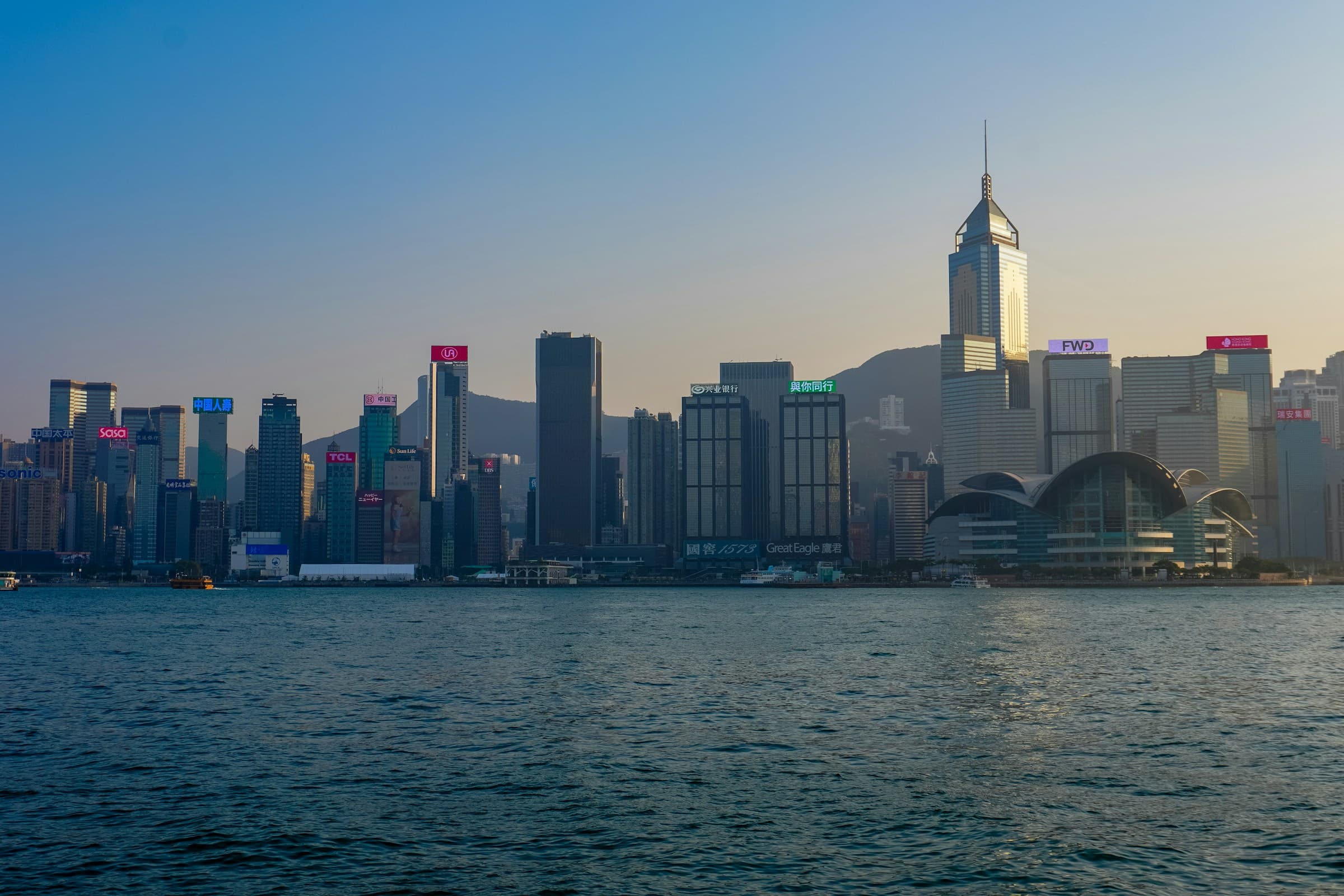
Hong Kong is appetite made vertical.
Cantonese fine dining with harbour views, apartment-scale boutique hotels above wet markets, contemporary art on a reclaimed waterfront: the city compresses luxury into a geography so dense that the best week here is less about checklist tourism than about choosing the right neighbourhood, the right room, and the right table at the right hour.
For diaspora travelers returning with parents, or executives who land at Chek Lap Kok and need a city that performs at full intensity without wasting time, Hong Kong rewards a plan that alternates scale. One harbour-view splurge. Several nights in a residential district. Mornings on foot. Evenings booked with intention.
"Hong Kong does not hide its luxuries. It stacks them behind glass and asks whether you can keep pace."
This guide maps where to stay, eat, shop, and experience when you want refinement without the performance of arrival. Pair it with The Asian Grand Tour, Hong Kong, Turned Down, and Lunch at Lung King Heen for the full Banquet route through the harbour city.
Stay
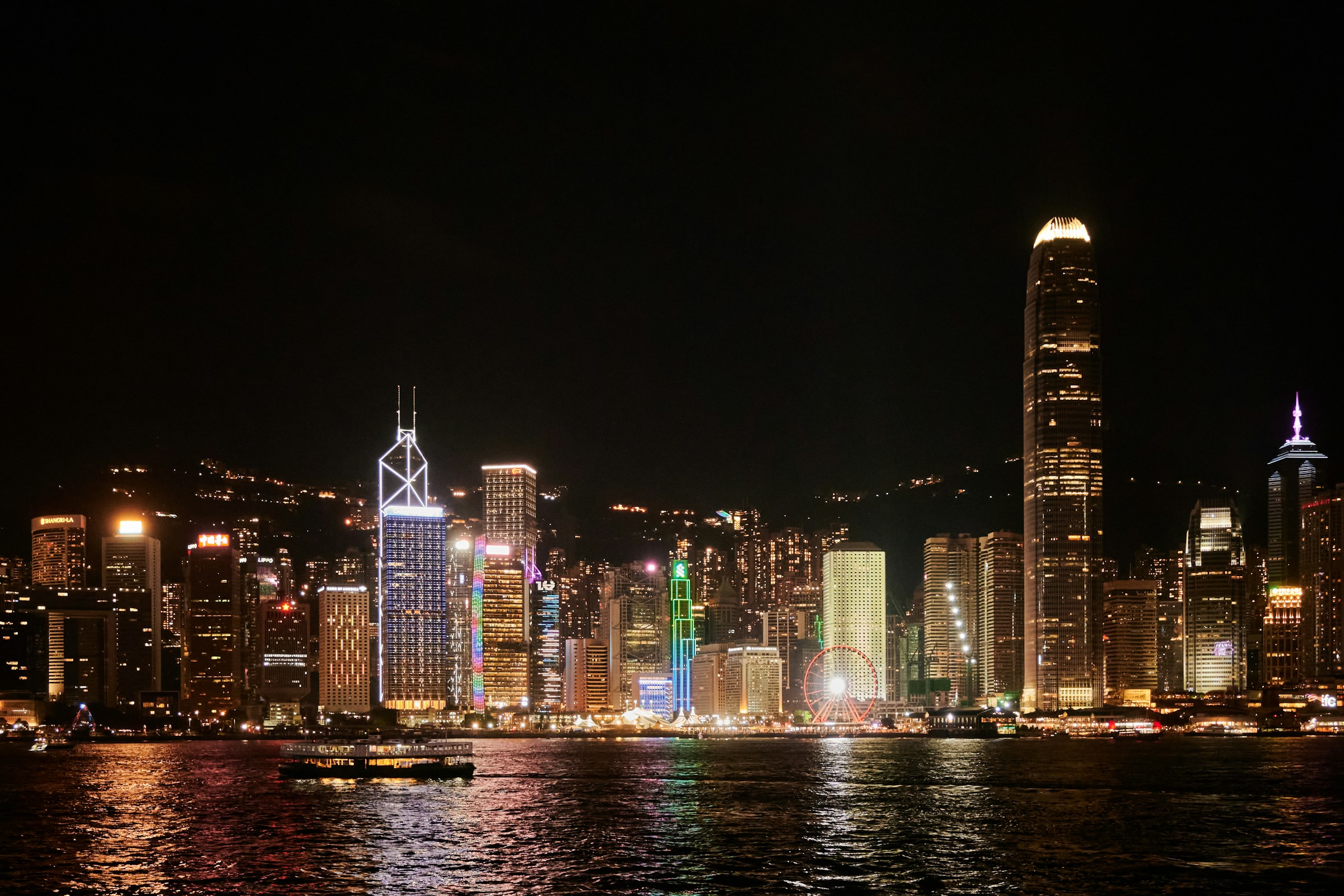
Hong Kong's luxury hotel market splits cleanly between harbour-scale properties in Central and Tsim Sha Tsui and residential-scale addresses in Sheung Wan, Tai Hang, and Sai Ying Pun. Published entry rates for five-star rooms commonly run HKD 4,500–8,500 (roughly $575–$1,100 USD) depending on season; suites and harbour-facing categories scale sharply upward. A 3 percent hotel accommodation tax applies from January 2025. Confirm whether quoted rates include tax and service.
The Upper House
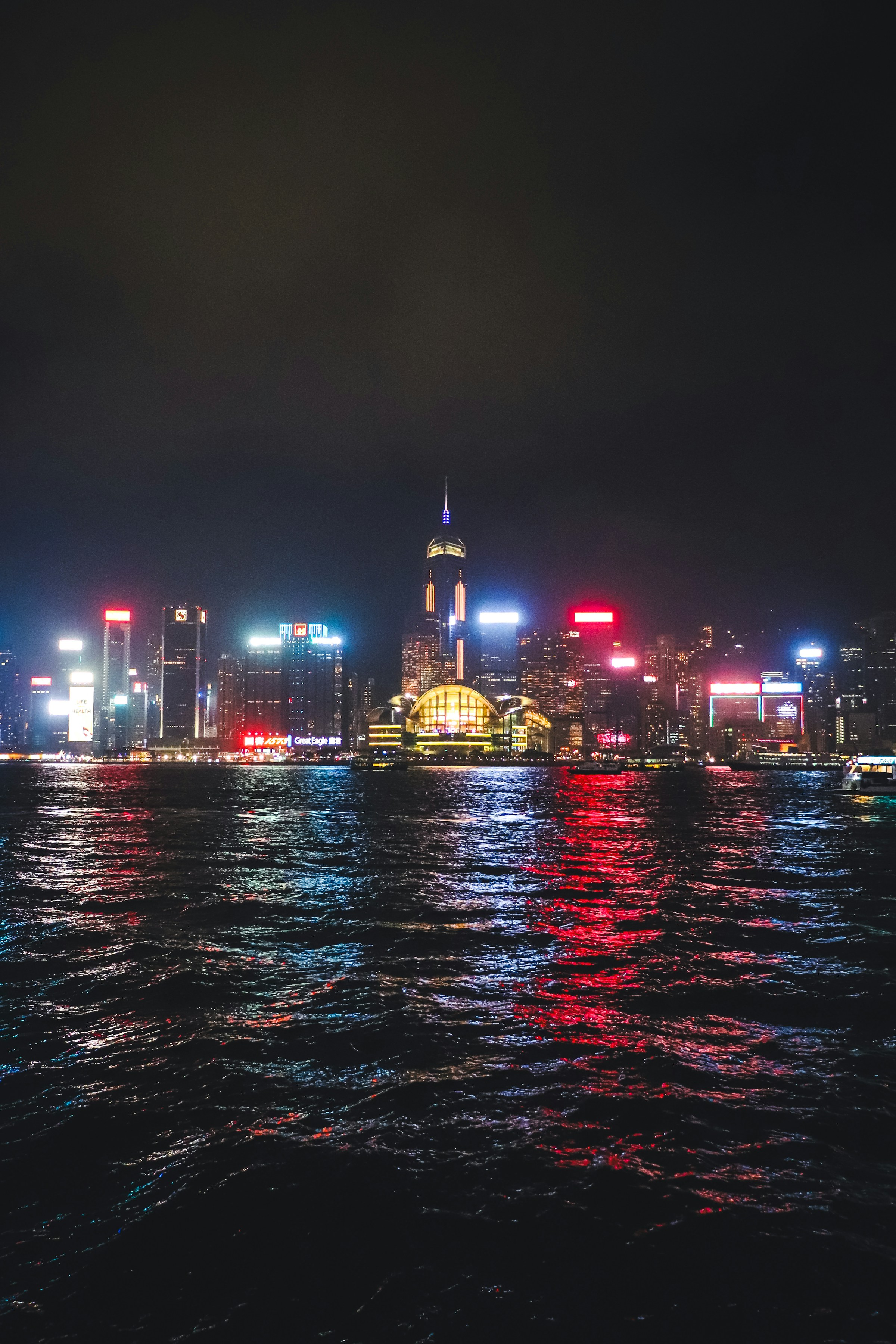
The Upper House at 88 Queensway, Admiralty remains among the city's most disciplined luxury hotels: 117 rooms and suites designed by Andre Fu, floor-to-ceiling harbour views in many categories, and a lobby that treats calm as amenity rather than absence. Café Gray Deluxe on the 49th floor, David Lefevre's long-running room, still anchors the dining proposition with harbour perspective. For travelers who want full-service polish without the ceremony of a grand nineteenth-century hotel brand.
Four Seasons Hotel Hong Kong
At 8 Finance Street, Central, Four Seasons Hong Kong occupies the IFC podium with direct access to the Central ferry piers and the airport express. The hotel is the address for Lung King Heen on Podium 4, the Cantonese room this publication treats as a reference point for harbour-view lunch and banquet service. The Hong Kong MICHELIN Guide 2026 lists Lung King Heen at two stars, down from its former three-star peak but still the room serious diners book for dim sum with Victoria Harbour spread before them. See our room study for service notes.
Rosewood Hong Kong
Rosewood Hong Kong at Victoria Dockside, 18 Salisbury Road, Tsim Sha Tsui brought a newer luxury grammar to the Kowloon waterfront when it opened in 2019: residential-scale suites, Asaya spa, and dining that includes The Legacy House and Bluhouse. The property suits travelers who want harbour drama with a contemporary design vocabulary and strong F&B without sleeping on Hong Kong Island.
The Jervois and the Sheung Wan portfolio
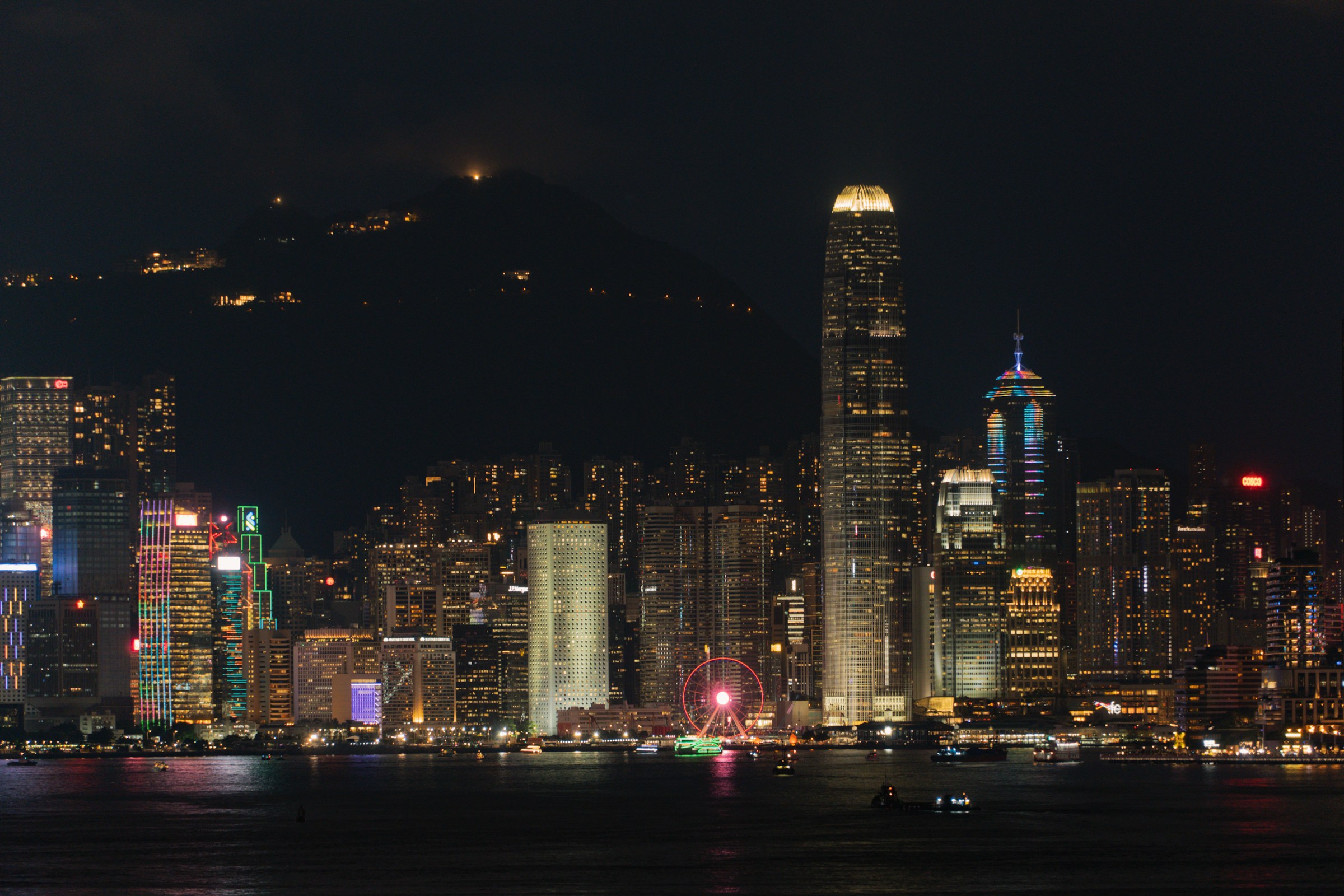
For a week that feels like living in the city rather than visiting it, The Jervois at 89 Jervois Street remains the standard: 49 one- and two-bedroom suites by Christian Liaigre, private lift lobbies, kitchenettes, and floor-to-ceiling windows over a district of dried-goods shops and galleries. 99 Bonham and The Figo extend the same ownership group's design discipline nearby. Read Hong Kong, Turned Down for neighbourhood pacing.
Eat
Hong Kong dining in 2026 rewards one harbour-view splurge and several smaller rooms built around ingredient quality and reservation discipline.
Lung King Heen
The definitive Cantonese fine-dining room with harbour views. Book lunch for dim sum if your party includes elders who measure the trip by bamboo steamers and roast meats. Dinner for banquet pacing and wine service. The Hong Kong MICHELIN Guide 2026 lists the restaurant at two stars.
The Chairman
The Chairman in Central holds three stars in the Hong Kong MICHELIN Guide 2026 with a more ingredient-driven, less hotel-polished approach than Lung King Heen. The room suits travelers who want modern Cantonese rigor without podium formality. Reservations require lead time.
Mott 32 and modern Cantonese
Mott 32 at Standard Chartered Bank Building, 4-4A Des Voeux Road Central offers design-forward modern Cantonese in a vaulted bank hall. Useful for groups who want spectacle without leaving Central. Confirm current menu and pricing directly when booking.
Neighborhood rhythm
Balance starred rooms with Sheung Wan and Sai Ying Pun restaurants that treat wine pairing and Cantonese ingredients with equal seriousness. Yardbird in Sheung Wan remains a reference for accessible excellence if your week needs one informal counter-meal. Save at least one evening for cha chaan teng breakfast logic applied to dinner: fast, precise, local.
Shop
Central and the Landmark
The Landmark in Central remains the department-store reference for luxury retail with service fluency. Pedder Building galleries concentrate contemporary art dealers worth an afternoon even if you are not buying.
Hollywood Road and Sheung Wan
Antique porcelain, jade from trusted dealers, pu-erh and oolong sold with wine-merchant seriousness: this is Hong Kong shopping that carries memory. Diaspora travelers often shop for objects that cannot be ordered online: a bowl from a Hollywood Road specialist, shirts from a Central tailor who keeps measurements on file.
Watches and tailoring
Hong Kong remains a serious market for watches and bespoke tailoring. Independent dealers in Central and Tsim Sha Tsui reward patient browsing. Tailors in Central and TST still cut for humidity, carry-on travel, and diaspora bodies that sit between UK and Asian sizing charts.
Experience
M+
M+ on the West Kowloon Cultural District waterfront opened in November 2021 with the Sigg Collection and a building that makes contemporary art feel civic rather than private. Visit on a weekday morning before tour groups peak. Pair with Hong Kong Palace Museum nearby if your week includes institutional depth.
Star Ferry and the harbour
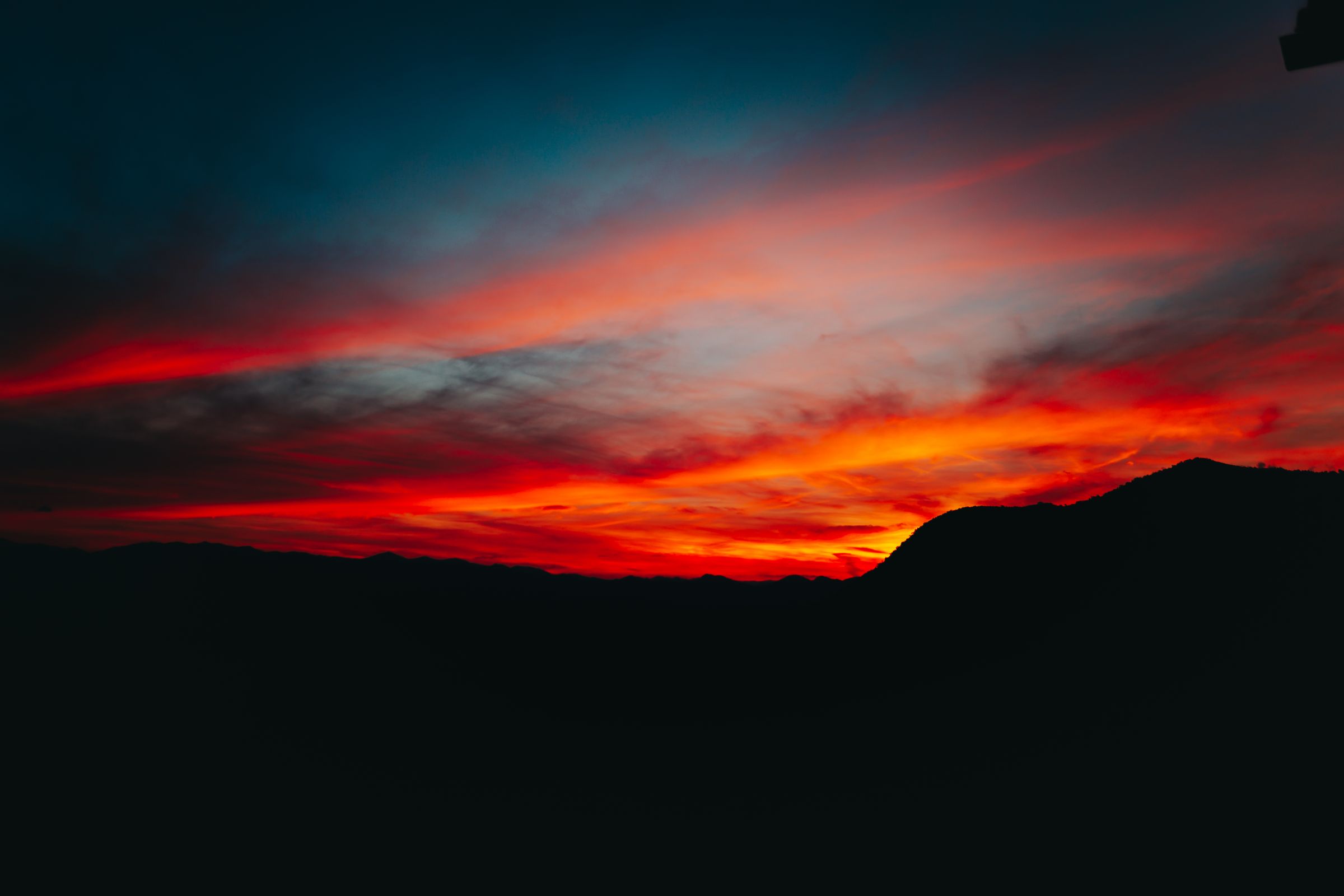
The Star Ferry between Central and Tsim Sha Tsui remains non-negotiable. Ride at dusk before the light show crowds the Tsim Sha Tsui waterfront. The crossing costs almost nothing and reframes every harbour-facing suite you have paid for.
The Peak, with restraint
Victoria Peak still delivers the canonical view. Arrive early, walk Lugard Road rather than queuing only for the terrace, and leave before bus tour density peaks. The view matters; the queue rarely does.
Art Basel Hong Kong
Each March, Art Basel Hong Kong turns the city into a temporary art capital. Book hotels months ahead if your travel aligns with fair week. M+ and gallery dinners in Central and Wong Chuk Hang reward the same visit.
Practical Notes
Airport: Hong Kong International to Central via Airport Express, roughly 24 minutes. Sheung Wan is one MTR stop west.
Best season: October through December for comfortable weather. Art Basel week in March compresses availability.
Tax: 3 percent hotel accommodation tax from January 2025. Confirm inclusions on quoted rates.
Reservations: Lung King Heen and top starred rooms require weeks ahead. Boutique Sheung Wan restaurants often need days, not hours.
Walking: Hong Kong rewards pedestrians who accept hills. Pack shoes for ladder streets.
What It Costs
Approximate bands from published 2025–2026 rates; seasons and exchange rates vary.
Luxury hotels: $575–$1,100/night entry five-star (Upper House, Four Seasons standard categories); suites and harbour views higher
Boutique suites: $400–$900/night (Jervois, 99 Bonham depending on unit size)
Starred Cantonese lunch: HKD 800–1,500/person before wine at Lung King Heen lunch; higher at dinner
The Chairman and top rooms: HKD 2,000+/person before wine
Star Ferry: nominal fare
M+ admission: check current ticketing on the museum site
The Banquet Cost Index
Hotels: $$$$ (Four Seasons harbour suites, Rosewood); $$$ (Upper House, Jervois)
Dining: $$$ (Lung King Heen lunch); $$$$ (The Chairman, banquet dinners)
Shopping: $$$–$$$$
Experiences: $ (Star Ferry, Peak tram) to $$ (M+, galleries)
Typical luxury weekend: $3,500–$8,000 before flights (three nights Upper House or mixed Sheung Wan/Four Seasons, one starred lunch, one starred dinner, M+)
The Banquet Picks
Best Hotel: The Upper House for harbour restraint; The Jervois for apartment-scale living.
Best Restaurant: Lung King Heen at lunch for dim sum with diaspora family logic.
Best Neighborhood Base: Sheung Wan for texture; Admiralty for polish.
Best Cultural Afternoon: M+ on a weekday, then Star Ferry at dusk.
Final Thoughts
Hong Kong asks you to eat seriously and move quickly without becoming frantic. The luxury traveler who succeeds here alternates harbour spectacle with residential quiet, starred precision with neighborhood joy, and always leaves one evening unplanned for the queue that was not on the itinerary.
The city has not become subtle. You have simply learned to read it at the volume residents prefer. That is the education Hong Kong offers the Grand Tour now: appetite, verticality, and the conviction that the table is where inheritance gets negotiated.
For the wider route, continue with The Asian Grand Tour and The Banquet Guide to Tokyo.