Private collections usually end in storage, sale, or family dispute.
The M+ Sigg Collection is the exception that proves a patronage model: 1,510 works documenting Chinese contemporary art from the 1970s through early 2012, now housed at M+ in West Kowloon, named galleries in perpetuity, and open to scholars and the public on the museum's schedule. Without Uli Sigg, the former Swiss ambassador to China who assembled the holdings over decades, Hong Kong's institutional story would read very differently.
This essay is not a collector profile in the social sense. It is a case study in how one donation became infrastructure, and what diaspora patrons can learn from the structure rather than the spectacle. Read The Collectors Buying Beyond the Auction Room if you want the wider map before we zoom in on one gift.
"The commodification of art, some people say of art hard production, becoming a kind of industry so we see this globally, we also see it in China."
Uli Sigg
Sigg said that in a CGTN interview years after the 2012 deal, and it clarifies why his collection mattered: he was documenting a period before the industry fully arrived. M+ inherited the document.
The 2012 Agreement
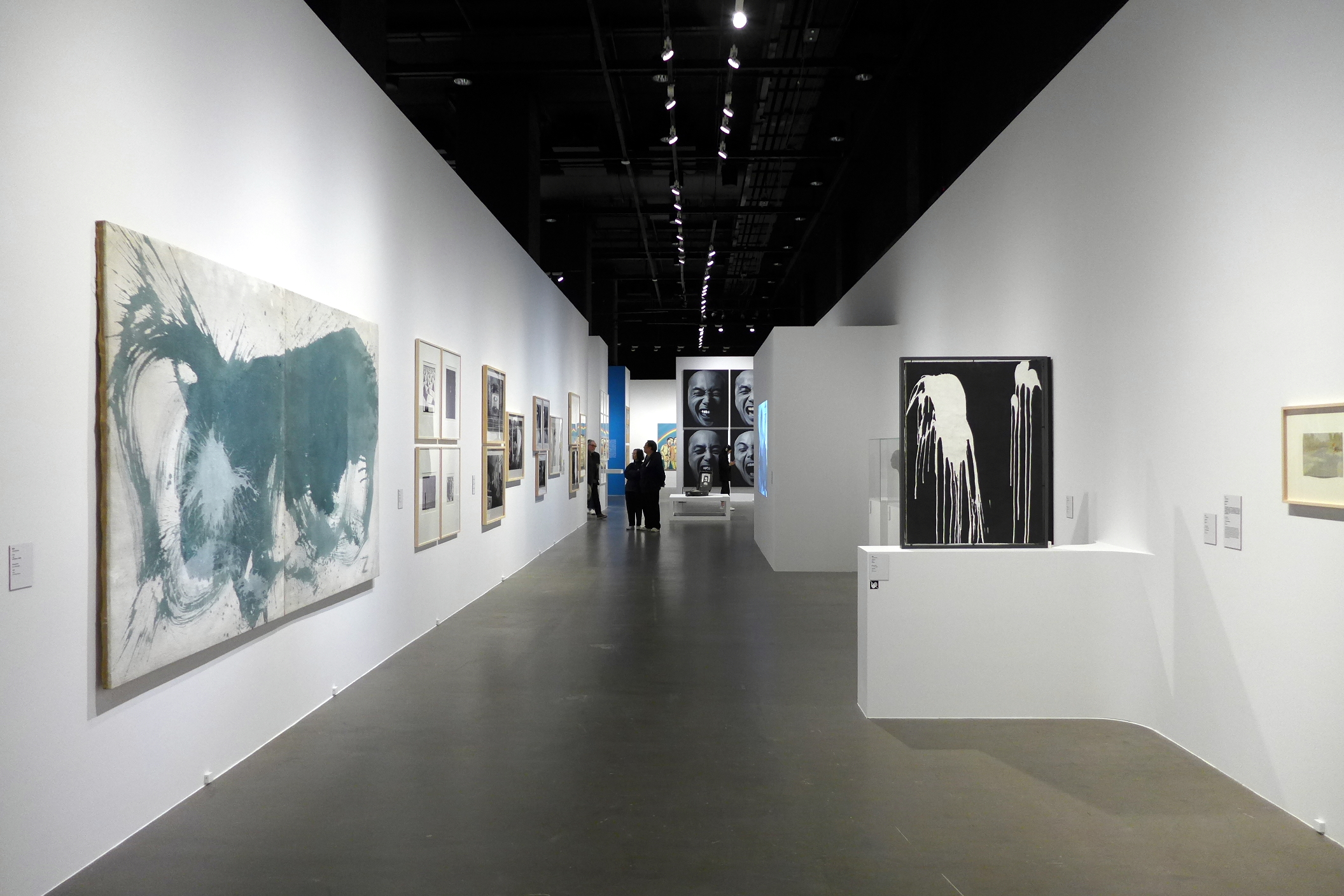
In 2012, Sigg agreed to donate 1,463 works to the then-planned M+ museum. The West Kowloon Cultural District Authority simultaneously purchased 47 additional works for HK$177 million (roughly $22.7 million USD at contemporary exchange rates), bringing the M+ Sigg Collection to 1,510 objects. Contemporary reporting valued the donated portion at approximately $163 million.
The numbers matter because they clarify the deal structure: not a pure gift, not a pure purchase, but a hybrid that allowed the museum to shape a coherent narrative while recognizing the collection's market value. M+ describes the holdings as its founding collection, spanning more than 325 artists including Ai Weiwei, Fang Lijun, Zhang Peili, Geng Jianyi, and Hong Kong artists such as Lee Kit and Pak Sheung-chuen.
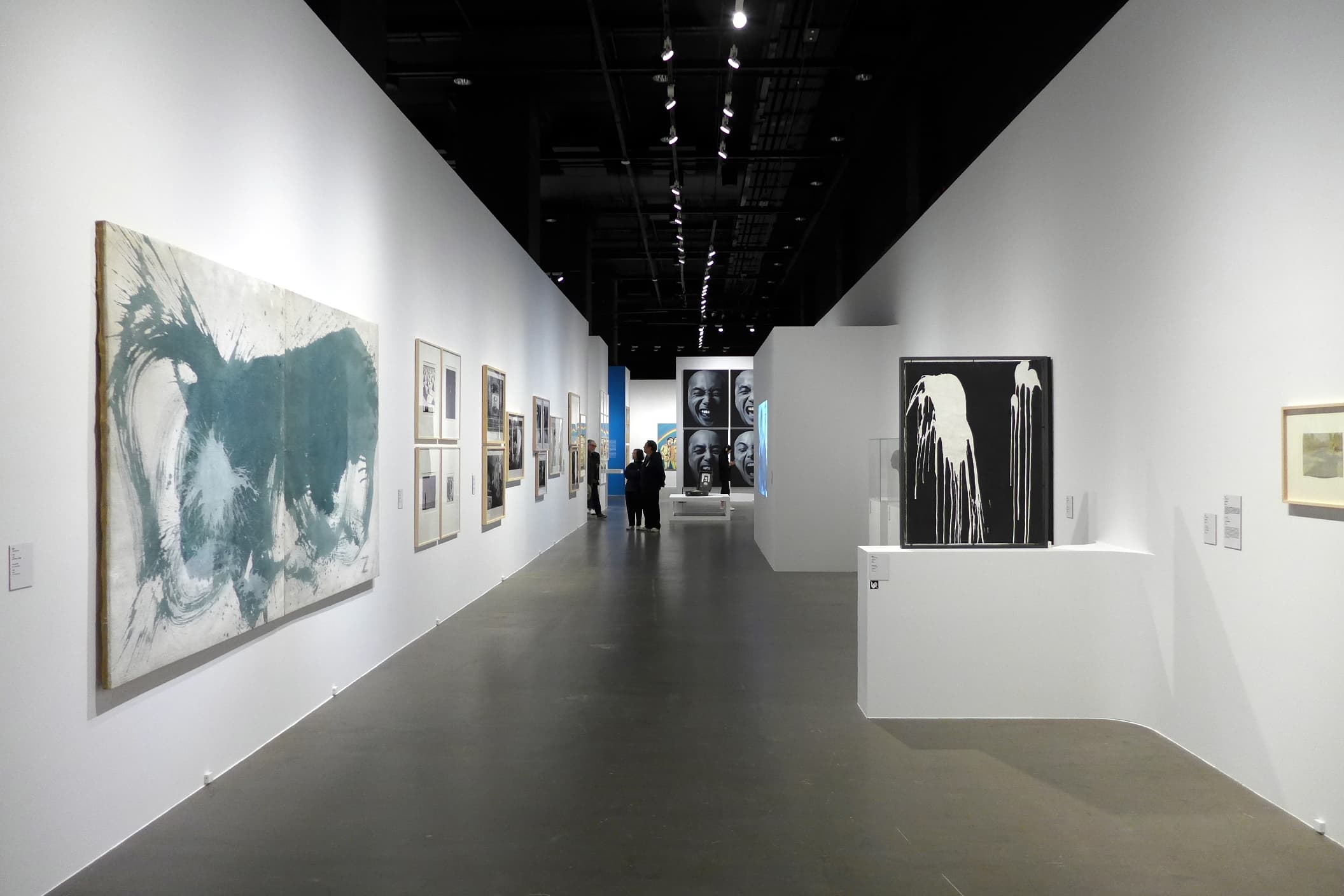
Media range from painting and sculpture to performance documentation, video, and room-scale installation. The collection is deliberately historical: it treats Chinese contemporary art as a lineage with roots in the Cultural Revolution period and the No Name and Star groups, not as a sudden market phenomenon after 2000. Read Who Really Pays for the Culture for how that hybrid gift-and-purchase structure fits the wider funding stack.
Representative holdings include Ai Weiwei's Dropping a Han Dynasty Urn (1995), Fang Lijun's cynical-realist painting, and documentation of Zhang Huan's early performance work. Hong Kong pieces such as Lee Kit's domestic interiors and Pak Sheung-chuen's conceptual projects anchor the later rooms to the city M+ was built to serve. The sequence is curated chronologically and thematically so a first-time visitor can read political rupture, market emergence, and regional identity without prior specialist knowledge.
Why Sigg Could Build What Museums Could Not Later
Sigg began collecting when few institutions were systematically documenting China's contemporary turn. As Switzerland's ambassador to China from 1995 to 1998, he moved inside artist studios at a moment when the market had not yet standardized taste or price.
That timing is patronage advantage. A museum building in 2026 cannot replicate the field work of the 1990s and 2000s at the same cost or with the same access. M+ inherited time compression: decades of relationships converted into objects arranged for public reading.
Critics sometimes argue that any single collection skews canon. They are correct. The Sigg galleries present one rigorous storyline, not the only possible one. The museum's broader holdings, now reported at nearly 8,000 works with a significant Hong Kong component, exist partly to widen the frame. Patronage at this scale is never neutral. It can still be useful.
Sigg himself has described collecting as a form of cultural journalism: visiting studios, asking artists what they feared would be forgotten, buying before auction houses assigned a category. That ethic differs from the trophy acquisition common in Central private rooms during fair week. Both exist in Hong Kong simultaneously. M+ makes the journalism legible to anyone with a museum ticket. For what that fair-week room culture looks like from the inside, read Why Art Basel Hong Kong Owns March.
Nine Years Between Agreement and Opening
The 2012 deal preceded M+'s public opening by nearly a decade. Construction delays, funding debates, and pandemic postponements pushed the museum from blueprint to building slowly enough that Hong Kong's art community sometimes doubted the project would open at all.
During that interval the collection lived in storage and occasional preview exhibitions while Herzog & de Meuron's waterfront building took shape on reclaimed land. The wait mattered: by November 2021, when M+ finally opened, Chinese contemporary art had become a global market category. The Sigg galleries could debut as history rather than novelty, which strengthened their pedagogical case.
Diaspora patrons watching from London, New York, or Vancouver learned a patience lesson. Institutional gifts do not produce instant vanity walls. They produce long horizons. A New Generation of Cultural Patrons tracks who is still willing to wait that long in 2026.
Opening Day and the Sigg Galleries
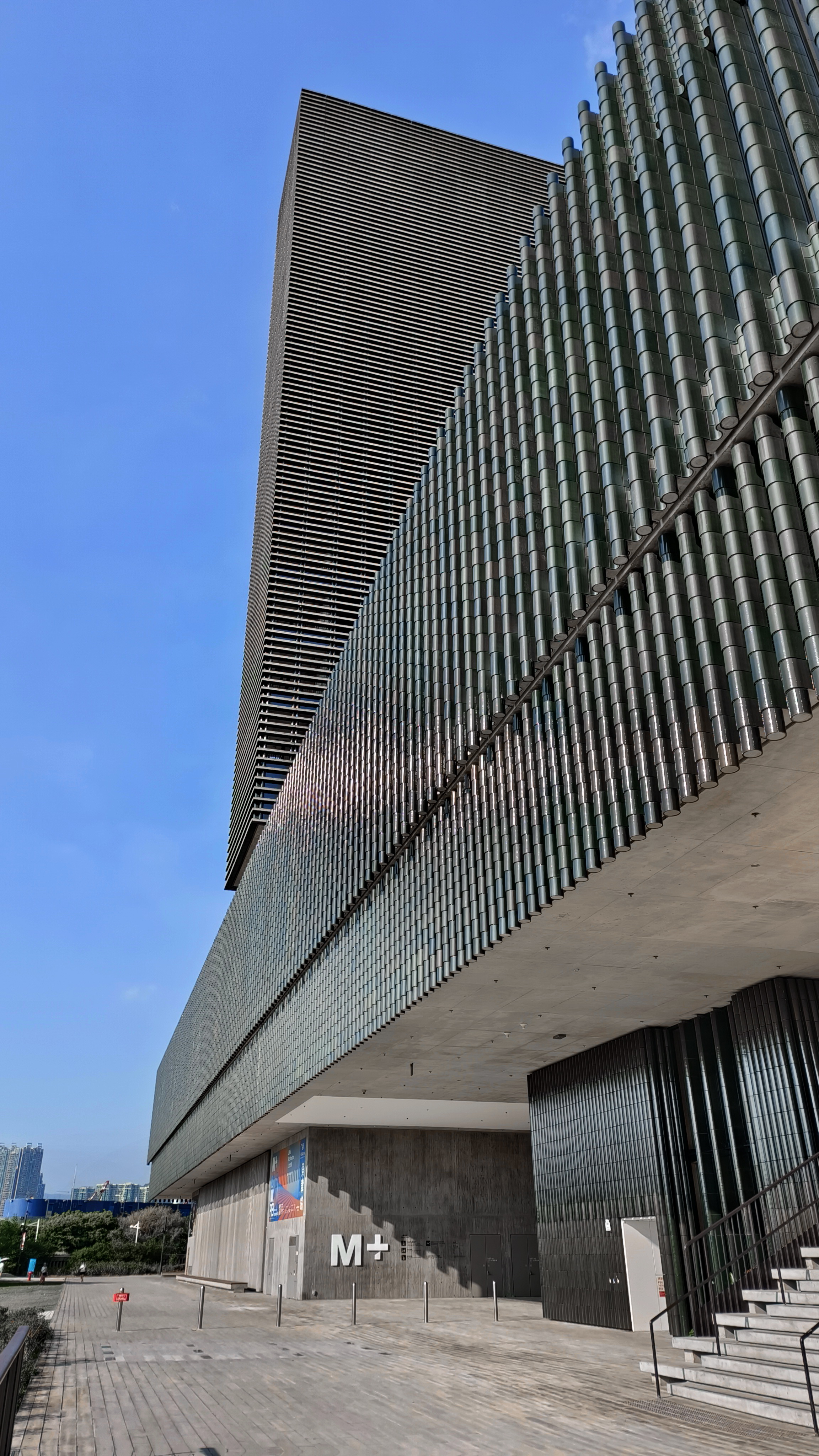
M+ opened in November 2021 on the West Kowloon Cultural District waterfront with the Sigg Collection at its core. The Sigg Galleries on Level 2 remain named in recognition of the donation in perpetuity, per the museum.
Walking those rooms during Art March Hong Kong each March, or on a quiet weekday between fair appointments, is the fastest way to understand why Hong Kong's diaspora collectors treat West Kowloon as pilgrimage rather than side trip. The argument is physical: post-1989 Chinese art is main text, not footnote to Western postwar narrative.
Plan the stay around the museum, not the other way around. Read The Banquet Guide to Hong Kong for harbour-side bases and the neighbourhood logic that makes a weekday M+ visit painless.
Patronage Lessons, Not Hero Worship
What diaspora patrons can take from the Sigg model:
Document a period while it is still forming. Sigg collected when documentation was the work, not the afterthought.
Negotiate structure, not only generosity. Donation plus selective purchase let the museum curate coherence without pretending market value did not exist.
Accept permanent naming as accountability. The Sigg Galleries bind the gift to public visibility long after the announcement dinner.
Plan for institution, not vanity wall. The collection requires scholars, storage climate, and exhibition rotation. A home cannot host it. A museum can.
Who Really Pays for the Culture outlines the broader stack: collectors, foundations, corporate sponsors, and government funding. Sigg occupies the collector-to-institution bridge with unusual clarity. For a mainland comparison at commerce speed, read Why Frieze Seoul Owns September, which treats how Asian fairs now compete for the same calendar.
What M+ Still Owes the Public
A founding gift is not a finish line. Museums must continue acquiring Hong Kong, diaspora, and regional work that the Sigg storyline underweights. M+ has expanded its holdings since 2012 and programs contemporary exhibitions beyond the founding galleries.
Fair-week visitors sometimes treat M+ as a single stop before dinners in Central. Residents know it as a civic institution that must survive political pressure, funding cycles, and tourism volatility. Patronage built the spine. Public attendance and continued acquisition build the living body.
The building itself, with its LED facade programmed for new commissions each Art March, extends the argument beyond the Sigg rooms. Contemporary Hong Kong art is not only historical inheritance. It is also present-tense public surface facing the harbour. Read Hong Kong, Turned Down if you want the residential counterpoint to fair-week spectacle on the other side of the harbour.
Practical Notes
M+ address: West Kowloon Cultural District, Hong Kong.
Sigg Galleries: Level 2; confirm current exhibitions and hours on mplus.org.hk.
Art March: Each March, West Kowloon coordinates with Art Basel Hong Kong and citywide programming; see artmarch.hk for the current calendar.
Research: M+ publishes donation and acquisition lists for the Sigg Collection on its website for scholars and journalists.
Pair the visit with The Banquet Guide to Shanghai if you are tracing how mainland and Hong Kong institutions now read each other's collections across the delta.
The Verdict
The M+ Sigg Collection is the clearest Asian example in our coverage of private taste converted into public syllabus.
Hong Kong did not luck into the holdings. A patron assembled them when assembly was still possible, then negotiated a structure that let a museum own the narrative in public. Whether you admire every artist in the sequence or not, the model is instructive: patronage at scale is curation with consequences.
Visit on a weekday. Read the labels slowly. Return during fair week to see how private rooms and public galleries argue with each other across the harbour.
Read Why Art Basel Hong Kong Owns March, The Banquet Guide to Hong Kong, and The Asian Grand Tour.