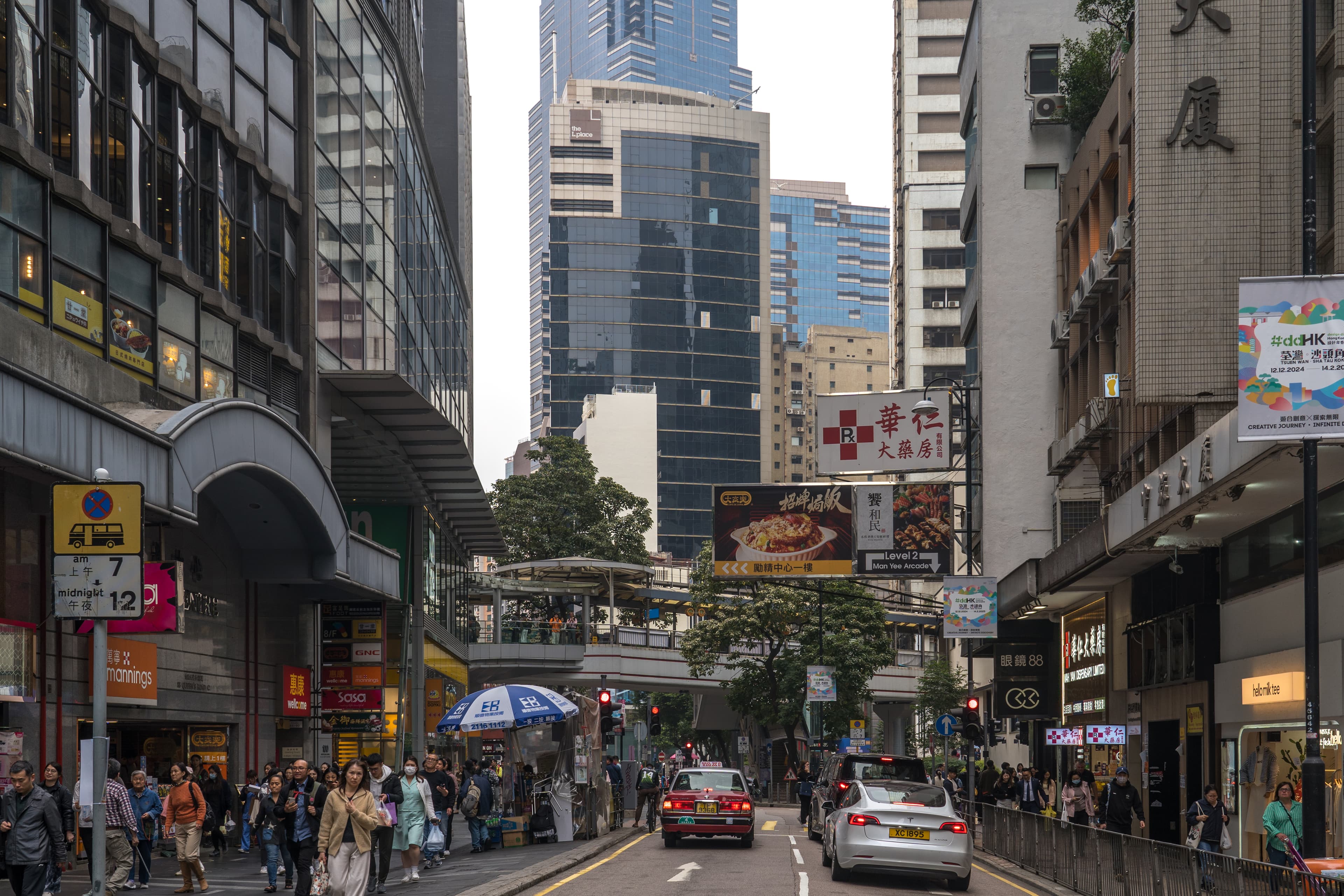
Art March street style photography is almost always wrong.
The images show someone in archival Margiela crossing Ice House Street as if the city were Milan in February. Real fair week in Hong Kong is hotter, faster, and more transactional. You leave M+ at 10 a.m., preview HKCEC at 2 p.m., dinner in Central at 8 p.m., and a gallery drinks event somewhere in between that you forgot until WhatsApp reminds you. The clothes that work are not the ones that photograph best. They are the ones that do not wilt.
This is not a trend report. It is a dressing grammar for diaspora collectors, advisors, and the curious who land for Art Basel Hong Kong each March and need to look like they belong without performing wealth at the wrong volume.
"The room already knows who you are. The clothes should not introduce you twice."
Read Why Art Basel Hong Kong Owns March for the fair map. For the wider collector circuit, see The Collectors Buying Beyond the Auction Room.
The Week's Actual Schedule
Fair week compresses three social languages into five days.
Morning institutional: M+, Tai Kwun, museum previews. Light, breathable layers. Shoulders covered for air-conditioned rooms that run cold. Shoes you can walk West Kowloon in.
Afternoon commercial: HKCEC preview floors. More standing, less sitting. Pockets or a slim bag that clears security without drama. Nothing that jingles.
Evening private: Central and Sheung Wan dinners, rooftop drinks, gallery hosts trying to seat eighty people at twenty tables. Clothes that survive humidity when you step outside and chill when you step back in.
The mistake is packing for one context. Pack for the transition.
What People Actually Wear
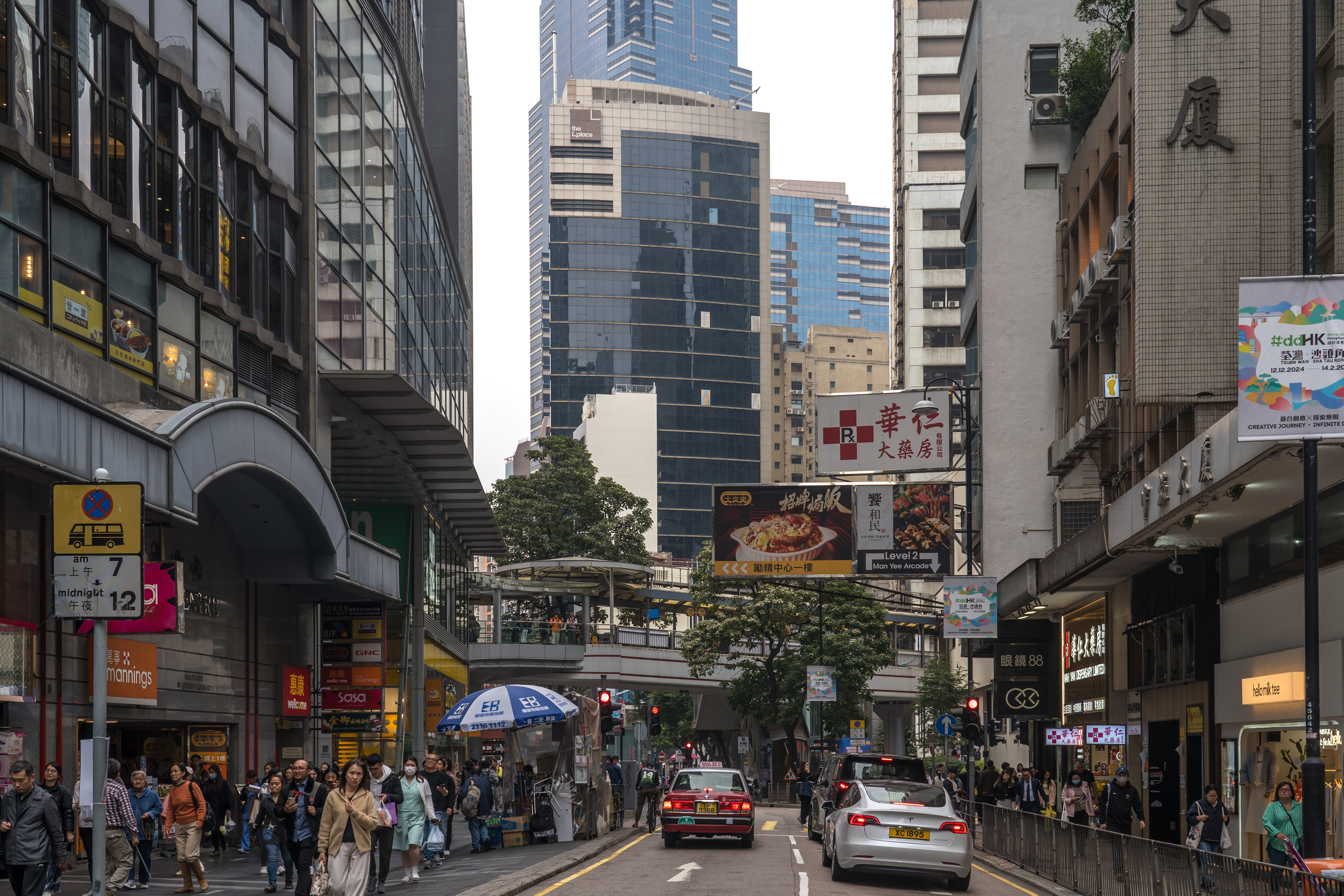
Neutrals dominate for a practical reason. Busy booths read visually; clothing should not compete with the work on the wall. Navy, charcoal, ecru, and black travel between Wan Chai carpet and Central stone without looking like you changed identities.
No-logo is policy, not pose. The most seasoned Hong Kong collectors treat visible monograms the way they treat loud phone calls at preview hour: technically allowed, socially costly. Quiet luxury here overlaps with Hong Kong, Turned Down: Liaigre calm, not Pacific Place billboard.
Unstructured tailoring wins. A soft-shouldered jacket in tropical wool or a linen-cotton blend reads correct at dinner and tolerable at HKCEC. Shoulder padding that works in London collapses in humidity. Diaspora dressers who fly Singapore, Hong Kong, and London in the same month often keep one unstructured navy jacket for the entire week.
Shoes are the real signal. Women in low block heels or polished flats that survived last March. Men in leather loafers or clean minimal sneakers only if the room is young-gallery, not bank-hosted. The harbour city punishes suede.
Jewelry is small and personal. One watch, one ring, maybe earrings that do not catch on a scarf. Read What Quiet Carry Actually Looks Like for the wider object grammar.
Central vs. West Kowloon
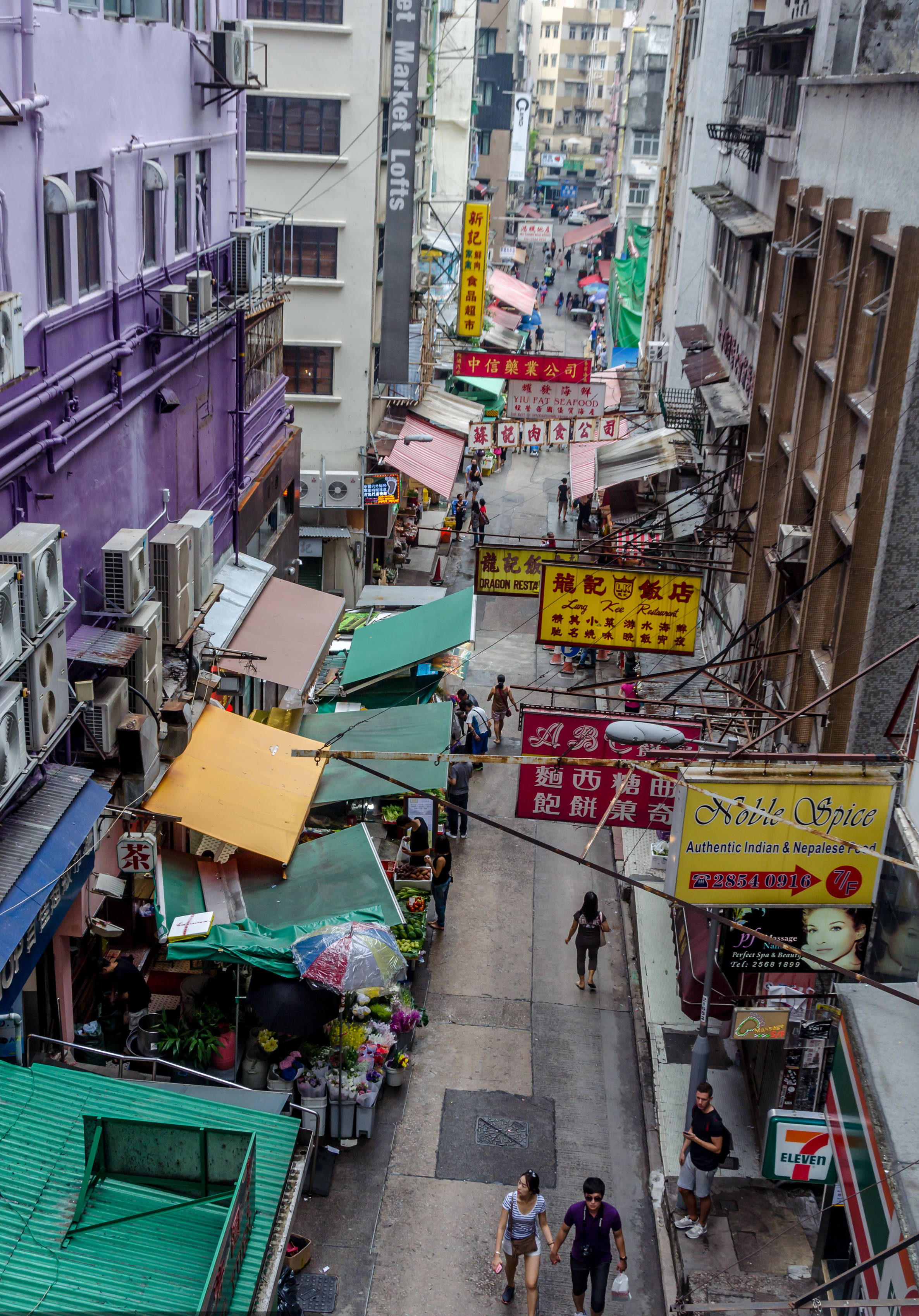
West Kowloon reads contemporary and international: museum architecture, waterfront wind, tourists mixed with professionals. Clothes can be slightly more casual. A fine knit under a light coat. Trousers with a clean crease, not denim.
Central reads inherited money and finance legacy. Dinners at private clubs and hotel salons expect polish without costume. Men rarely need ties; women rarely need floor-length. The baseline is "could enter a boardroom, would rather not."
Kowloon side gallery events vary. Check the invitation. Tsim Sha Tsui hotel rooms skew formal. Industrial spaces in Kwun Tong allow boots and darker palettes.
When in doubt, ask your hotel concierge what last year's room looked like. They remember.
What to Avoid
Archive fashion as armour. Impressive once, then you become the story instead of the work.
Heavy silk in preview halls. Beautiful at dinner, miserable by 3 p.m.
New shoes. Blistered feet end more deals than bad art.
Over-styled "creative director" uniforms. Hong Kong has real creative directors. They dress like people with meetings.
Building a Fair-Week Wardrobe
If you attend every March, build a capsule rather than shopping each year.
One unstructured jacket. One pair of trousers in tropical wool. One in cotton-linen. Two shirts or blouses that breathe. One evening top that works with the same trousers. One coat for cold rooms. One bag that fits program and phone. One shoe for walking, one for dinner.
Buy once, repeat until fabric tells the story. That is the Hong Kong approach to clothes in general. Fair week just concentrates it.
For where to stay and how to move between districts, read The Banquet Guide to Hong Kong. For Seoul's quieter fashion counterpoint in September, see The Return of Quiet Luxury in Seoul.
The Verdict
Hong Kong Art Week dressing is competence, not costume.
The city rewards people who look like they have been here before: neutral palettes, breathable tailoring, shoes that respect stone hills, and nothing that shouts before you speak. The best dressed person in the room is often the one you cannot describe an hour later. That is the point.
Read Why Art Basel Hong Kong Owns March, How the Sigg Collection Built M+, and The Asian Grand Tour.