June in Basel used to mean two parallel pilgrimages.
Art Basel for paintings and sculpture. Design Miami Basel for collectible furniture, lighting, and the room-scale objects that finish a residence once the art is on the wall. Asian collectors who bought at Hong Kong in March and Seoul in September often saved June for the design half: Jean Prouvé chairs, Charlotte Perriand shelving, contemporary studio pieces that ship to Singapore, Vancouver, or Shanghai with the same seriousness as blue-chip canvas.
In February 2025, Design Miami announced it would not host its Basel edition that year, part of a broader strategy shift toward Miami and Paris. Dealers responded quickly: MAZE Design Basel debuted in June 2025 inside the Offene Kirche Elisabethen, a Gothic Revival church facing the Kunsthalle, with eleven galleries including Kreo, Salon 94 Design, and Galerie Mitterrand. A second edition returned in June 2026 with expanded exhibitor lists and more art on the walls.
The fair name on the invitation changed. The collector question did not: where do I find museum-quality design during Art Basel week, and who else in the room is buying for Asia?
Read Why Art Basel Hong Kong Owns March and Why Frieze Seoul Owns September for the Asian fair calendar. For patronage context, see How the Sigg Collection Built M+.
What Design Miami Basel Was
Design Miami launched in 2005 beside Art Basel Miami Beach, then expanded to Basel as a sister fair for collectible design: 20th- and 21st-century furniture, lighting, ceramics, and installation objects sold by specialist galleries rather than general art dealers.
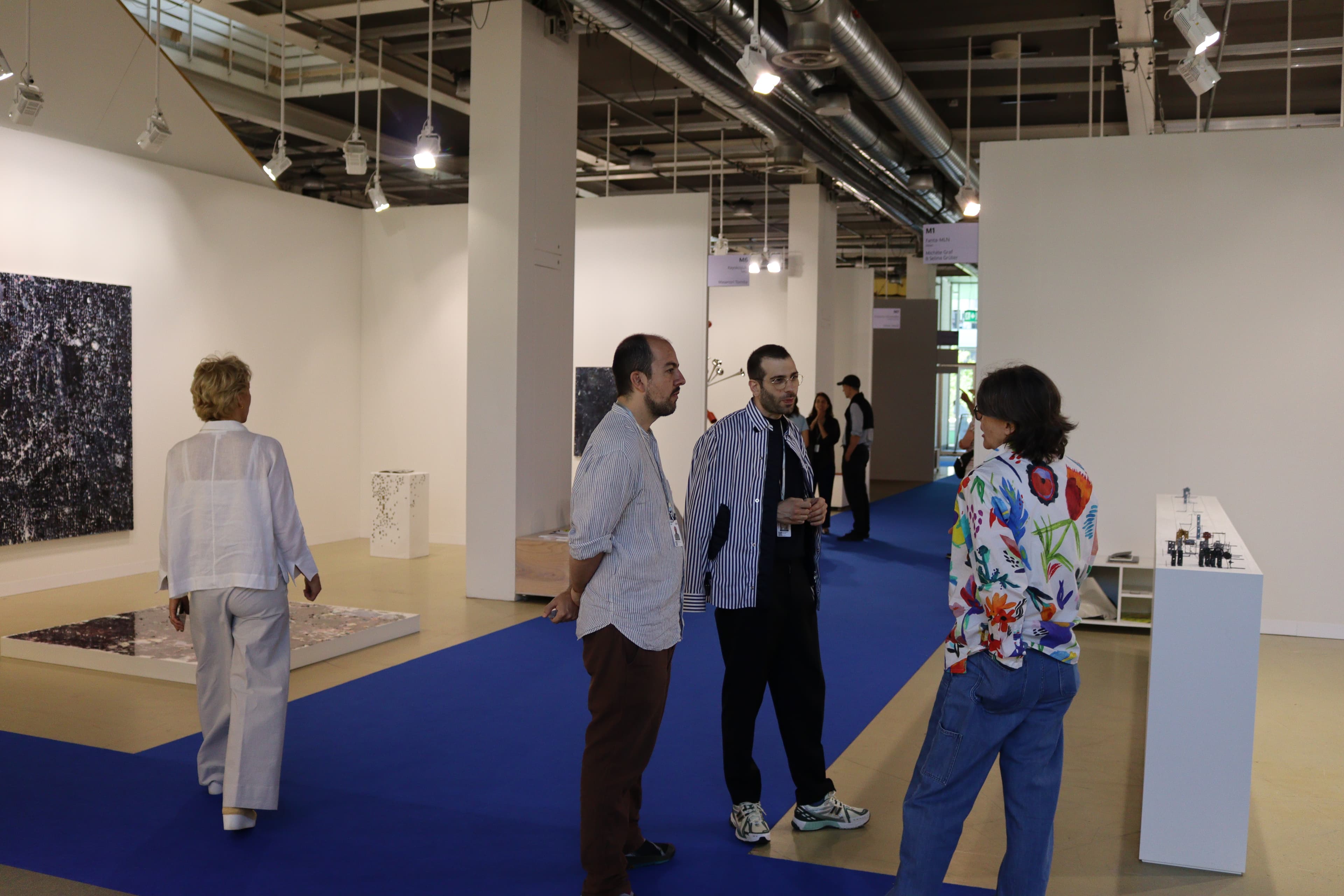
For Asian collectors, the Basel edition mattered because it sat inside the world's densest art week. You could preview Art Basel in the morning, walk to design in the afternoon, and dine with the same advisors, architects, and gallery principals at night. Logistics favored serious buying.
The fair also trained taste. Design galleries explain provenance, restoration, and edition size with a patience blue-chip painting booths sometimes skip. Diaspora clients building first serious residences learned proportion, material, and historical lineages that later informed Why Hospitality Design Is Influencing Luxury Homes.
The 2025 Shift
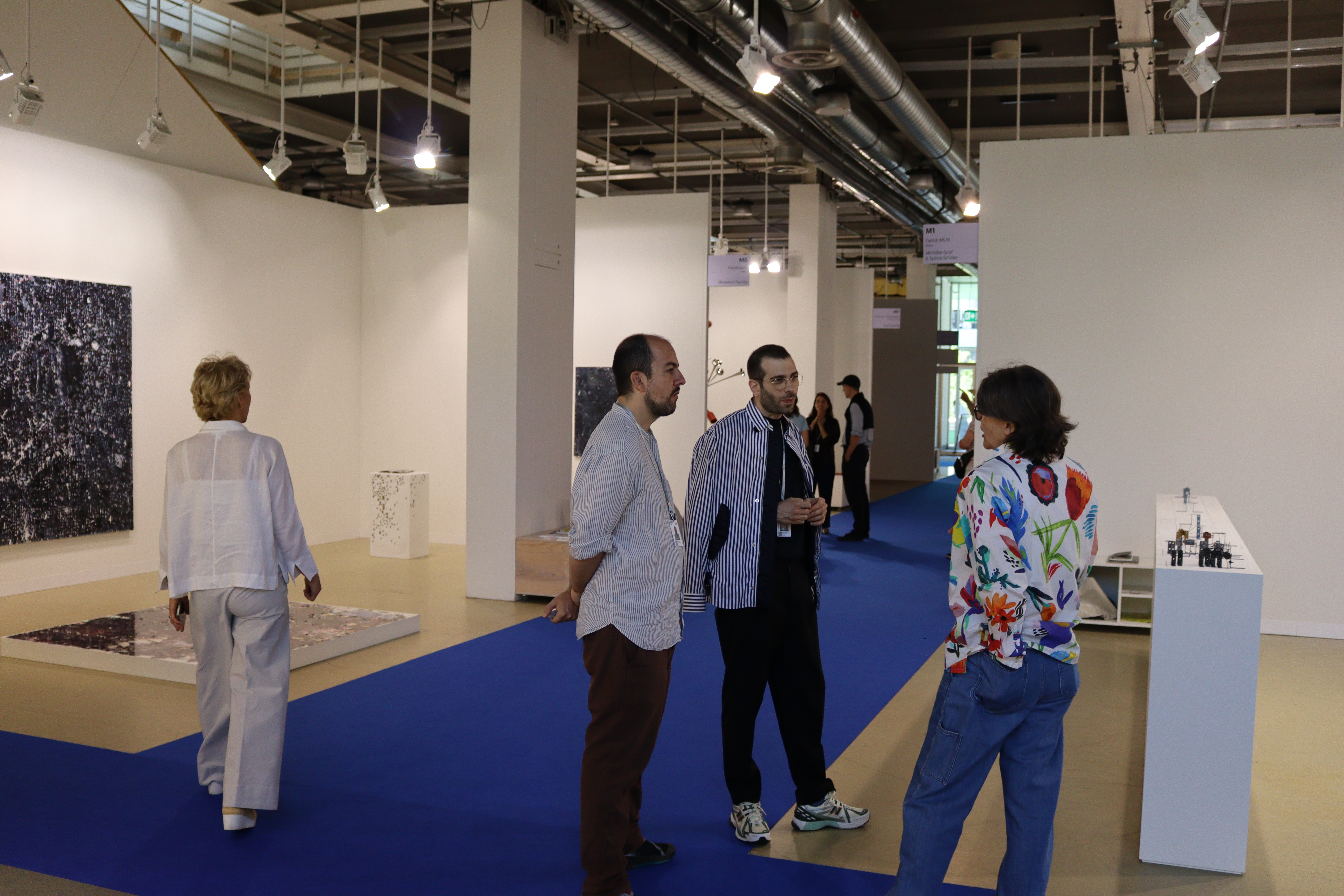
When Design Miami paused Basel, the gap was real. Collectible design did not disappear from the city. It fragmented: gallery dinners, hotel suites, church salons, and private appointments replaced the single tent.
MAZE Design Basel became the most visible successor: lower stand fees (reportedly around €15,000 versus design-fair peaks), dealer-led curation, and a setting that photographs differently from white-cube booths. F.P. Journe and Memo Paris sponsorship signaled luxury alignment without Art Basel's scale.
For Asian collectors, the lesson is logistical. You now need local advisors to map design week, not only a fair floor plan.
The Asian and Diaspora Art Floor (Why Miami Still Matters)
If you only track June Basel, you miss half the calendar. Art Basel Miami Beach in December has become one of the Western Hemisphere's strongest rooms for Asian and Asian-diasporic art: historical postwar anchors, contemporary abstraction, fibre and installation work, and diaspora painting shown by top-tier international galleries alongside Asia-based booths.
Art Basel Miami Beach 2025 drew 283 galleries from 43 countries and more than 80,000 visitors, with 240+ museum representatives on the floor, per Artlyst's market report. Asian attendance is no longer a novelty footnote. It is structural.
Who was on the floor (2024–2025):
Asia-based galleries: Richard Koh Fine Art (Bangkok/Singapore), Vin Gallery (Ho Chi Minh City), Con_ (Tokyo), Mou Projects (Hong Kong), Starch (Singapore), Christine Park Gallery (Shanghai), Space Willing N Dealing (Seoul), Gallery Hyundai (Seoul/New York).
Diaspora-led and cross-Pacific houses: Alisan Fine Arts (Hong Kong/New York, first-time exhibitor 2025), Pearl Lam Galleries (Hong Kong/Shanghai, inaugural 2024), Tina Kim Gallery (New York/Seoul), Nunu Fine Art (New York/Taipei), A.I. (London), plus global platforms with Asian programs (Hauser & Wirth, Perrotin, Marian Goodman, Lisson Gallery's Beijing/Shanghai rooms).
What actually sold (reported ranges):
Tina Kim Gallery, Art Basel Miami Beach 2024: Ha Chong-Hyun paintings at $250,000–$390,000 each; Kwon Young-Woo at $80,000–$150,000; Lee ShinJa tapestries at $90,000–$120,000 apiece in Meridians; Pacita Abad trapunto at $300,000–$400,000 (Artnet, Artsy).
Pearl Lam Galleries, inaugural 2024: Zhu Jinshi's 18-metre Meridians installation Pathway listed at $450,000; additional Zhu Jinshi canvases and works by Su Xiaobai, Etsu Egami, and Zhu Peihong in five figures (Judith Benhamou Reports, Pearl Lam).
Alisan Fine Arts, 2025: strong sales for Walasse Ting, Ming Fay, and Justin Lim; director Daphne King told Artlyst the booth "exceeded expectations" for Chinese diasporic artists across generations.
Tina Kim, 2025: placements to new U.S. collectors for Lee ShinJa, Kim Tschang-Yeul, and Ha Chong-Hyun after major institutional showings in Korea.
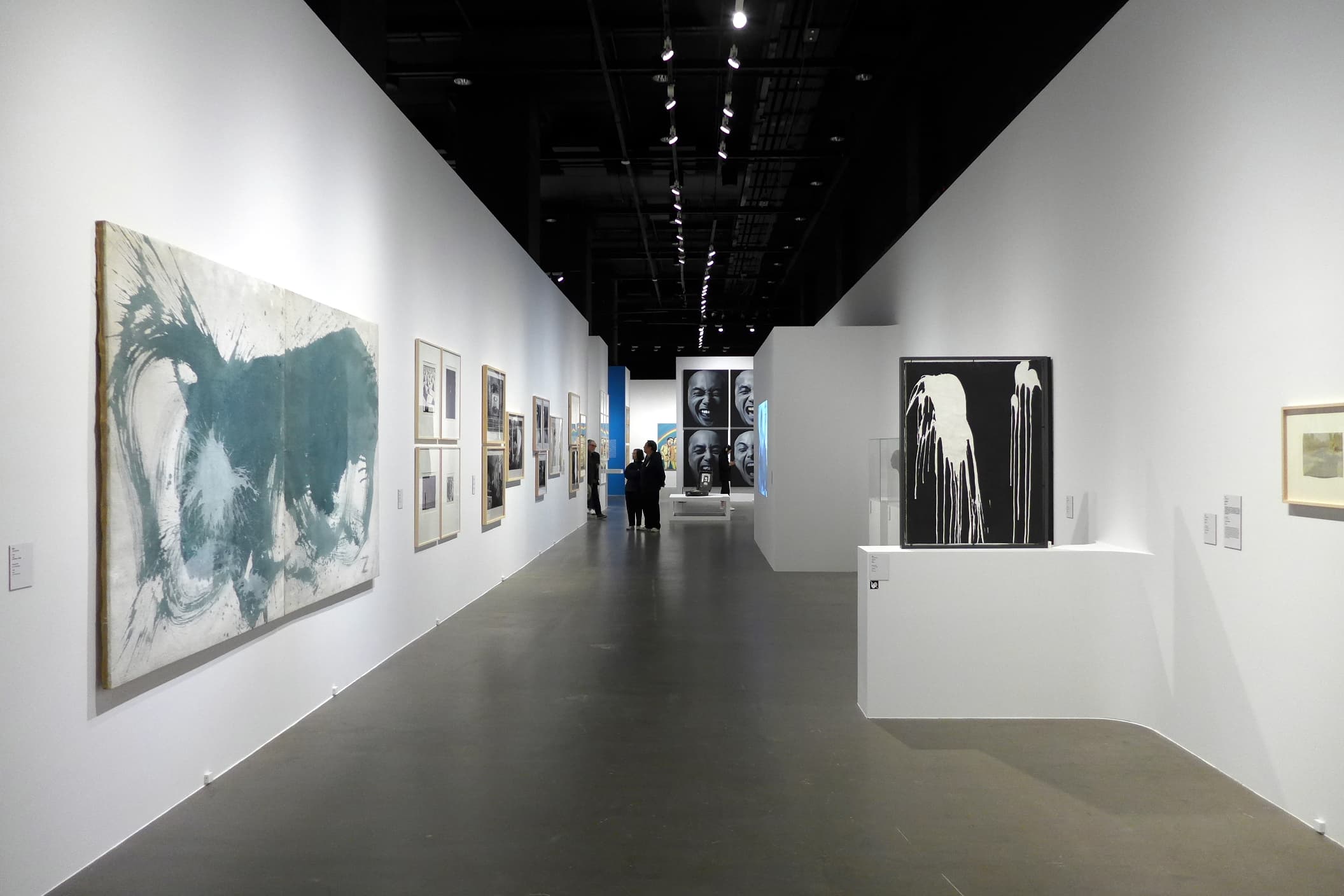
Meridians (curated by Yasmil Raymond) is where the argument gets physical: Lee ShinJa's 1980s tapestries treated as painting; Zhu Jinshi's bamboo-and-Xuan-paper architecture; large-scale work that cannot ship casually to Hong Kong or Los Angeles without freight planning you should start before you buy the Prouvé chair.
Miami Art Week around the fair now includes diaspora surveys off-floor. David Castillo Gallery opened "Alien" in December 2025, curated by Yesiyu Zhao, with 40+ Asian-diasporic artists across the U.S., Europe, and Asia (Artnet). The fair floor and the satellite program together cover postwar modernism through installation and multimedia sculpture, not a single "identity" lane.
For diaspora collectors, the point is practical. Miami is where Western institutions and Asian-diasporic estates meet American private money. If you are building a collection that spans Zao Wou-Ki-era modernism and living diaspora painters, Miami week calibrates price, provenance, and who else is bidding before you commit to a residence full of empty walls.
Why Asian Collectors Still Show Up in June
Residence projects. Diaspora buyers completing homes in Hong Kong, Singapore, Los Angeles, and London often schedule architect and designer meetings in Basel because the people they need are already there.
Cross-category collecting. Asian collections increasingly mix contemporary art, modern design, and craft. Basel week remains where those categories physically overlap: morning Art Basel hall, afternoon MAZE or gallery appointment, evening dinner with the same advisor who will freight a Perriand shelf to Pudong.
Price discovery. Design markets are less transparent than postwar painting. Seeing Charlotte Perriand, Jean Royère, and contemporary studio work in one week calibrates eye and budget before you wire a deposit from Singapore.
Relationship density. One dinner can include a Zurich advisor, a Paris gallerist, a Hong Kong collector, and a Tokyo architect. No other week compresses that mix as reliably.
Institutional overlap. Museum design departments and foundation boards attend Basel. Patronage conversations from Who Really Pays for the Culture extend naturally into furniture acquisition for public spaces.
Miami vs. Basel vs. Paris
Art Basel Miami Beach (December, public days 5–7 December 2025) pairs with Design Miami on the beach. Asian diaspora art is now a core market story there, not a side sector. Budget time for Meridians and for off-fair surveys if you are comparing notes with Hong Kong March.
Design Miami Paris (when scheduled) targets European decorative-arts buyers.
Basel in June remains the appointment for collectors who already travel for Art Basel and want design without a separate transatlantic trip. After 2025, design hunting requires MAZE, church salons, and dealer appointments rather than one tent map.
Asian collectors optimizing calendar usually run: Hong Kong March, Basel June (art + design), Seoul September, Miami December when U.S. institutional relationships or diaspora estate work requires it.
How to Work the Week Now
Hire local navigation. A Basel-based advisor or trusted Paris gallery contact who knows which design salons operate each year.
Book early. Hotels near Messe Basel and the Kunsthalle fill for Art Basel regardless of design fair branding.
Visit MAZE Design Basel and satellite shows first. Smaller rooms reward slow looking.
Schedule studio visits in Paris or Zurich the same trip if shipping to Asia. Freight timelines matter more for furniture than canvas.
Pair with residence planning. Bring floor plans. Design buying without architecture context produces expensive mistakes.
In Miami, block Meridians and diaspora-led booths first. Reported sales clusters around Tina Kim, Pearl Lam, Alisan, and Gallery Hyundai are useful comp data when you negotiate elsewhere.
Read What Park Hyatt Kyoto Teaches About Arrival for how hospitality rooms train residential taste before you buy a Prouvé lamp for home.
What Changed for 2026
MAZE Design Basel returned in June 2026 with more exhibitors and an art-and-design mix on stands, per The Art Newspaper. Salon 94 Design won the MAZE/Art Awards F.P. Journe prize for a Bijoy Jain / Studio Mumbai bamboo-and-silk seat entering the Vitra Design Museum collection.
Design Miami continues in Miami and explores Paris while Basel evolves through dealer-led formats.
Asian collectors should treat "Design Miami Basel" as a legacy name for a living week, not a single booth map. The market moved. The need for design literacy, and the diaspora art floor at Miami Beach, did not.
The Verdict
Design Miami Basel mattered because it made collectible furniture legible during the world's most important art week.
Even without the original tent, June Basel remains essential for Asian collectors who furnish residences and institutions with the same seriousness they apply to walls. December Miami is where Asian and diaspora art now trades at scale, with reported sales from five figures to $400,000+ on work you may hang beside the Perriand you freighted in June. Follow the salons and the Meridians sector, not the acronym.
Read The Collectors Buying Beyond the Auction Room, Why Art Basel Hong Kong Owns March, and The Asian Grand Tour.