Kyoto improves the moment you stop trying to finish it.
Choose one district, one important reservation, and one interval that belongs to nobody. Reach Kiyomizu-dera when its gates open at 6 a.m. Keep a ryokan dinner rather than racing across town for a famous counter. Give an afternoon to tea caddies, textiles, and a long lunch instead of collecting temples until their gardens blur.
That restraint is logistical before it becomes philosophical. Kyoto’s most rewarding addresses sit in distinct clusters, buses slow under peak-season demand, and the meal or villa you most want to enter may require a reservation months before the rest of the trip takes shape. The city rewards the traveler who understands sequence.
Read You Need a Week in Kyoto for the case for staying longer. This guide is the working map: where to sleep, what to reserve, and how to build four or five days without turning Kyoto into a checklist.
“In kaiseki, the course as a whole and each dish must have a story, complete with introduction, development, twist, and conclusion.”
Yoshihiro Murata, third-generation chef of Kikunoi, in an interview with Tokyo Updates
The same advice serves the itinerary. A Kyoto day needs an opening, development, and enough room for the unexpected turn.
Stay: Choose Your Morning
Choose the property according to where you want to be at 6:30 a.m.
Hiiragiya
For a traditional ryokan stay, Hiiragiya is the clearest choice. Founded in 1818, it has 17 rooms in the Main Building and seven in the New Wing. Rates currently begin at ¥73,000 per person in the Main Building and ¥86,000 per person in the New Wing, including dinner and breakfast, with service included and tax additional.
The commitment is part of the experience. Check-in begins at 3 p.m.; dinner is served at 6 or 7. Do not book a ryokan night and then treat the meal as optional. Arrive early, bathe, and let the house set the evening’s pace.
Sowaka
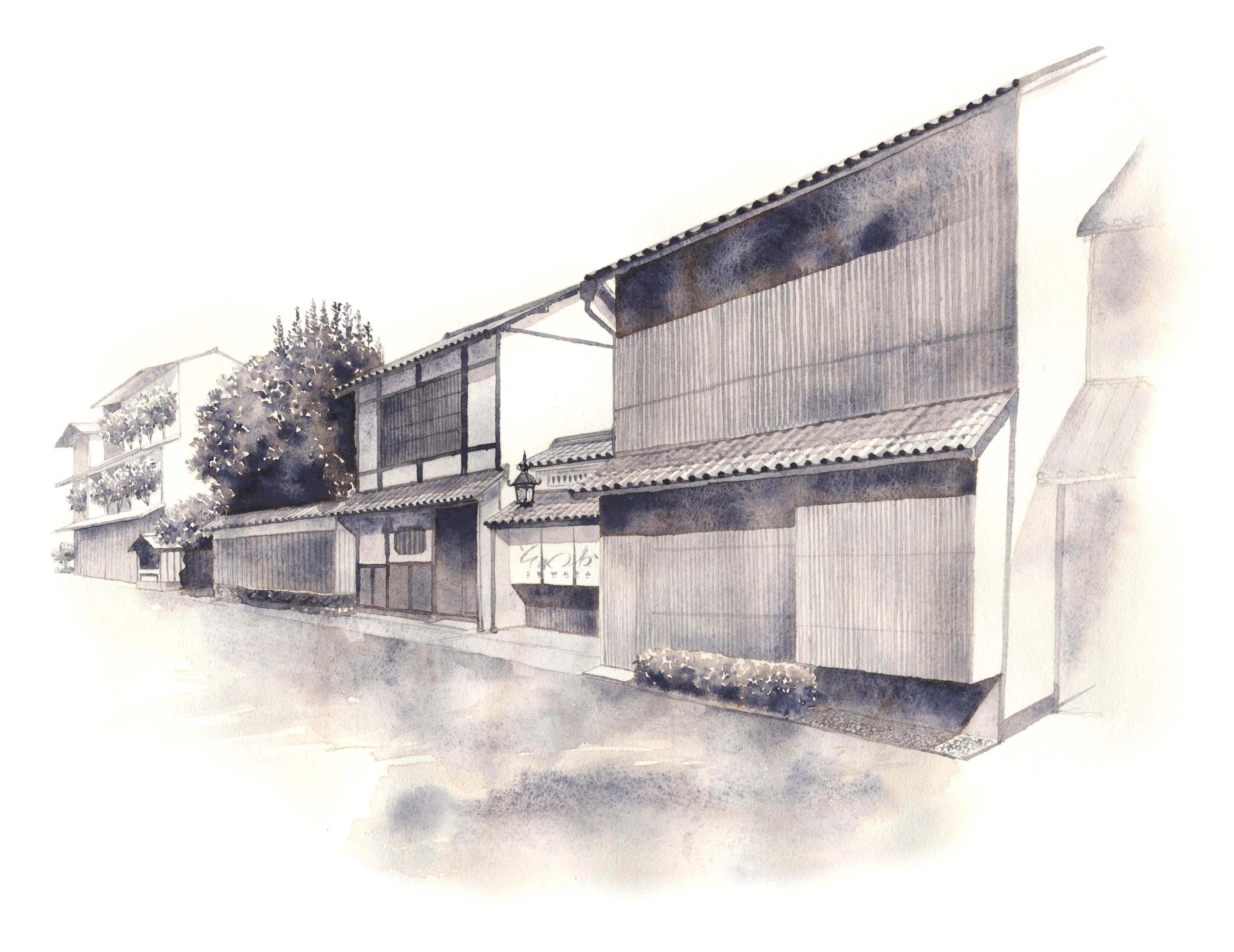
Sowaka, beside Yasaka Shrine at 480 Kiyoi-cho, suits travelers who want historic fabric with more hotel-style independence. Its 23 individually designed rooms occupy a restored former ryotei and a contemporary annex. The location puts Gion and southern Higashiyama outside the door while preserving a sense of enclosure once you return.
Rates are dynamic, so check the official booking calendar rather than relying on a guidebook’s starting figure. The restored main building is particularly persuasive for readers interested in how hospitality can extend the life of an old Kyoto structure.
Park Hyatt Kyoto
The practical case for Park Hyatt Kyoto is geometry. Its 70 rooms sit beside Kodai-ji and Ninenzaka, close enough to walk to Kiyomizu-dera for the 6 a.m. opening before tour traffic gathers. The hotel is expensive, and its public rooms can become destinations in themselves, but the address buys back time every morning.
For the full design argument, read What Park Hyatt Kyoto Teaches About Arrival. Here, choose it when southern Higashiyama is the center of the trip.
Hotel The Mitsui Kyoto
Hotel The Mitsui Kyoto, opposite Nijo Castle, is the flexible central base. The 160-room property has an on-site natural thermal spring and easy access to the subway. Nijojo-mae Station Exit 2 is about three minutes away; Karasuma Oike Exit 2 is roughly ten.
This is the sensible choice when the itinerary includes central craft shops, the Imperial Palace area, and more than one district. It does not deliver the street-level immersion of Gion, but it reduces cross-city friction.
Roku and Aman
Roku Kyoto and Aman Kyoto belong to a retreat trip. Both sit in the north, where forest, spa, and seclusion are the point. Roku’s outdoor thermal pool uses natural hot-spring water and currently operates from 8 a.m. to 9 p.m. Advance reservations are required daily from July 18 through September 30, 2026, and on weekends, holidays, and designated peak dates otherwise.
Book either property when you can give the hotel half the day. For a first visit built around temples, shops, and dinner reservations, a more central address will serve you better.
Eat: Reserve One Formal Meal
Kyoto can support a week of serious dining, but ambition needs pacing. Reserve one consequential meal, protect the hours around it, and let noodles, tofu, and obanzai carry the rest.
Kikunoi Honten
Kikunoi Honten retains three stars in the Michelin Guide Kyoto Osaka 2026. Murata’s kaiseki is the formal education: season expressed through ceramics, scent, temperature, garnish, and the movement from one room of flavor to the next.
Official lunch courses currently run from ¥16,500 to ¥77,000; dinner begins at ¥22,000. Tax is included and a 15 percent service charge is additional. Lunch arrival is between noon and 12:30 p.m.; dinner arrival between 5 and 7:30 p.m. International online reservations are available. Read Lunch at Kikunoi Honten before choosing the course.
Gion Nishikawa
For a smaller, more conversational expression of contemporary kaiseki, Gion Nishikawa holds two Michelin stars in 2026. It makes a useful counterpoint to Kikunoi’s grander ryotei grammar. Choose one rather than forcing both into a short stay.
Shigetsu
At Tenryu-ji in Arashiyama, Shigetsu serves Zen vegetarian cooking in the temple grounds. Current menus cost ¥3,800, ¥6,500, and ¥9,000, plus the garden admission. The restaurant operates from 11 a.m. to 2 p.m., closes Thursday, and requires advance booking.
This is a well-judged midday anchor for a western Kyoto day. It also prevents the common mistake of leaving Arashiyama at noon only to spend the next hour crossing the city hungry.
Omen and obanzai
After Ginkaku-ji, Omen Ginkaku-ji is the practical lunch: udon with vegetables and condiments, served without ceremony becoming an ordeal. Signature udon currently begins at ¥1,520. Check its shop calendar because hours and Thursday closures vary.
Leave another evening for obanzai, Kyoto’s everyday repertoire of cooked vegetables and small dishes.
One old recommendation needs retiring. Honke Owariya placed its soba restaurant into long-term closure and ended confectionery production in January 2026. Older lists have not all caught up.
Shop: Objects Worth Carrying Home
Kyoto shopping improves when you ask about material and use. A tea caddy should close properly for decades. Chopsticks should suit the hand. A textile should be understood as structure, not only pattern.
Central craft afternoon
Begin at HOSOO Flagship Store, at 412 Kakimoto-cho, two minutes from Karasuma Oike Station Exit 6. The five-floor address presents Nishijin textile as contemporary design; its second-floor gallery is free. It currently opens 10:30 a.m. to 6 p.m. and closes on public holidays.
Continue to Ippodo Kyoto Main Store at 52 Tokiwagi-cho on Teramachi Street. The company dates to 1717, while the Kaboku Tearoom turns buying tea into a useful tasting lesson. Both shop and tearoom currently operate 10 a.m. to 5 p.m., closing on the second Wednesday.
At Kohchosai Kosuga, the Kyoto store carries bamboo chopsticks, tableware, baskets, and utensils. The address is on the first floor of The Royal Park Hotel Kyoto Sanjo at 74 Nakajimacho. Buy for daily use, not display.
Kaikado
Kaikado Main Store, at 84-1 Umeminatocho, makes the city’s most satisfying argument for precision through a simple object. Its handmade tea caddies close with an almost theatrical slowness as the lid descends under its own weight. The shop is about five minutes from Keihan Kiyomizu-Gojo and generally operates 9 a.m. to 6 p.m.; confirm Sunday, Monday, and holiday closures against the official calendar.
If the main shop does not fit the route, Kaikado Café near Kyoto Station works on arrival or departure day. It is a café, not a substitute for seeing the workshop’s full edit.
For the wider domestic lesson behind Kyoto’s narrow houses and craft culture, read Kyoto’s Machiya Grammar for the Modern Household.
Experience: Four Correctly Timed Days
Day one: Southern Higashiyama
Enter Kiyomizu-dera at 6 a.m., when the temple opens throughout 2026. Walk Ninenzaka and Sannenzaka before the shops fully wake, then continue toward Kodai-ji and Yasaka Shrine. Save Gion for late afternoon, observing private-lane and photography restrictions.
Do not follow, stop, touch, or obstruct geiko and maiko. Do not enter private property for a photograph. The official guidance is unambiguous, and respectful distance improves the district for residents and visitors alike.
Day two: Okazaki and the Philosopher’s Path
Start at Ginkaku-ji, which opens at 8:30 a.m. from March through November and 9 a.m. in winter. Adult admission rose to ¥1,000 in April 2026. Walk the Philosopher’s Path, then choose Nanzen-ji or an Okazaki museum rather than trying to absorb every temple on the canal.
The Kyoto Handicraft Center can finish the day if you want a broad survey before making more specific purchases elsewhere.
Day three: Central Kyoto
Use the morning for Nijo Castle or the Imperial Palace area and the afternoon for HOSOO, Ippodo, and Kohchosai Kosuga. The Kyoto State Guest House is the more unusual reservation. Its rooms and garden show contemporary state-level craft still performing a diplomatic function.
Guided tours generally cost ¥2,000 for adults. Advance reservations close at noon the preceding day; same-day tickets may be available if tours have not filled. Official use can close the building at short notice.
Day four: Choose one western anchor
Build the day around Katsura Imperial Villa or Saihoji, not both plus a rushed Arashiyama circuit.
Katsura requires a guided tour. Online applications open at 5 a.m. JST on the first day of the month preceding the visit and close four days beforehand; oversubscribed dates are allocated by lottery. Visitors under twelve are not admitted. From Katsura Station’s East Exit, allow about twenty minutes on foot.
Saihoji reservations open two months ahead. Admission begins at ¥4,000, and online bookings are limited to two people; visitors must be at least thirteen. The reservation is the day’s spine.
If neither is available, begin at Tenryu-ji when its garden opens at 8:30 a.m., have lunch at Shigetsu, and leave Arashiyama before fatigue turns a good morning into crowd management.
Practical Notes
Airport and rail: Direct Haruka trains connect Kansai International Airport and Kyoto Station in roughly 80 to 100 minutes. From Tokyo, the Tokaido Shinkansen takes about 2 hours 20 minutes. Verify current fares when booking.
Getting around: The Subway & Bus 1-Day Pass currently costs ¥1,100; the subway-only pass is ¥800. Use rail and subway for long district changes, taxis selectively, and buses only when their route genuinely saves time. Kyoto’s official Comfortable Sightseeing site publishes congestion forecasts and live cameras.
Luggage: The official Hands Free Kyoto network provides station-to-hotel, hotel-to-hotel, and storage services. At Kyoto Station, 2 p.m. is the general cutoff for same-day hotel delivery. Sending bags ahead can rescue an arrival afternoon.
Accommodation tax: Since March 2026, Kyoto’s per-person nightly tax rises by the room-only accommodation charge per person. It reaches ¥4,000 for accommodation costing ¥50,000 to ¥99,999 per person and ¥10,000 at ¥100,000 or more. Ask whether the quoted total includes it.
When to go: Late March through early April and mid-November through early December are the most pressured periods. Book when inventory opens rather than relying on a universal lead-time rule. Winter offers clearer garden structure and easier reservations; summer is hot and humid.
Gion Matsuri: The festival runs throughout July. In 2026, the principal processions fall on July 17 and July 24, with evening festivities in the preceding days. Route around them deliberately.
The Banquet pick: Stay in southern Higashiyama for a first visit centered on early temple walks; choose Hotel The Mitsui for a more flexible citywide week. Reserve Kikunoi or one imperial property, not every prestige address at once.
Continue through Japan with The Banquet Guide to Tokyo, The New Generation of Luxury Ryokans, and The Asian Grand Tour.